Between Humanity
Play Between Humanity
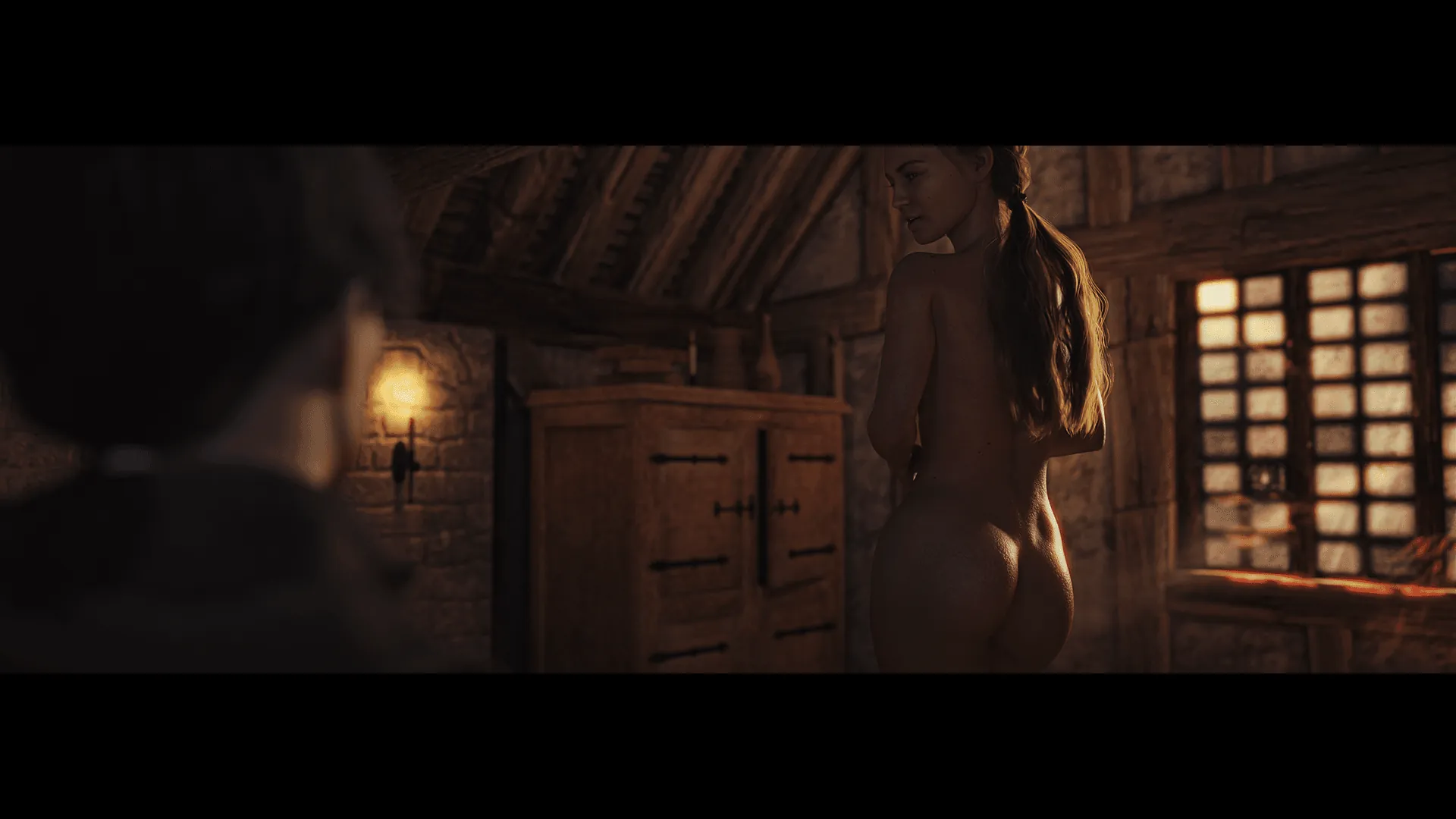
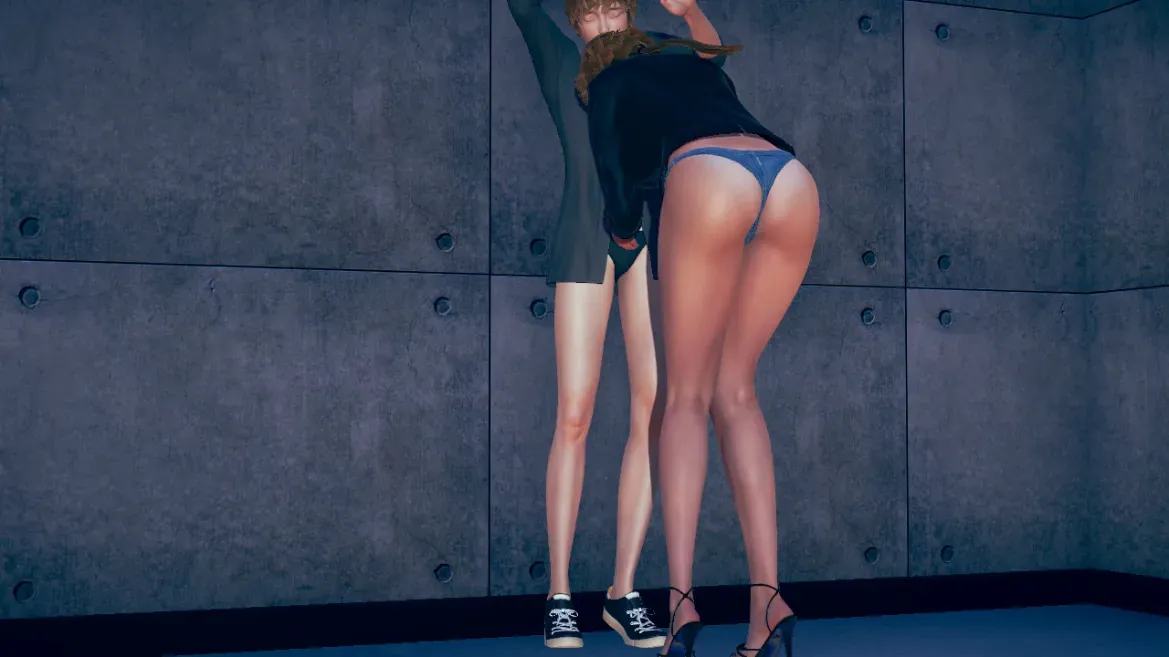
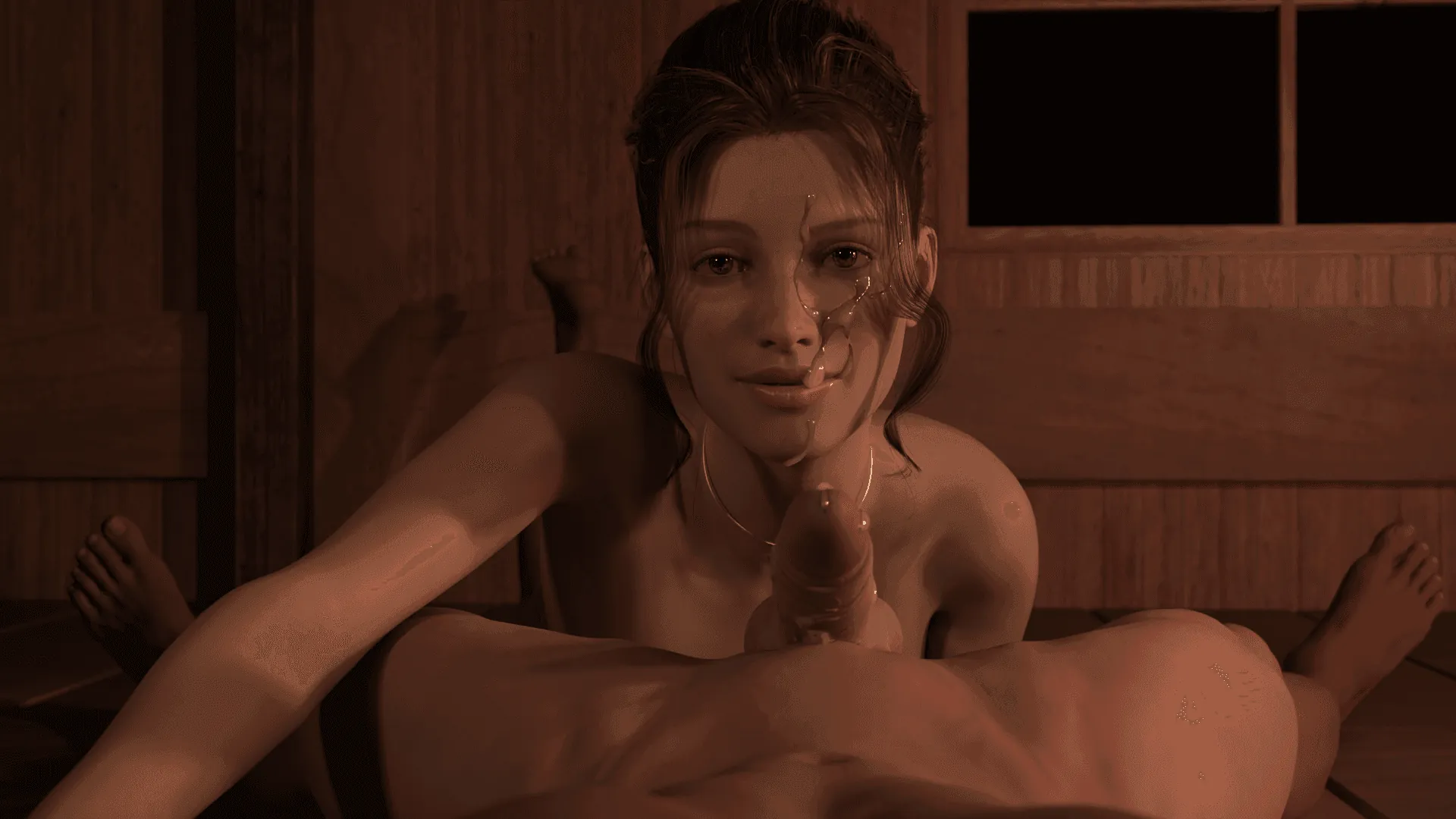
Between Humanity Screenshots
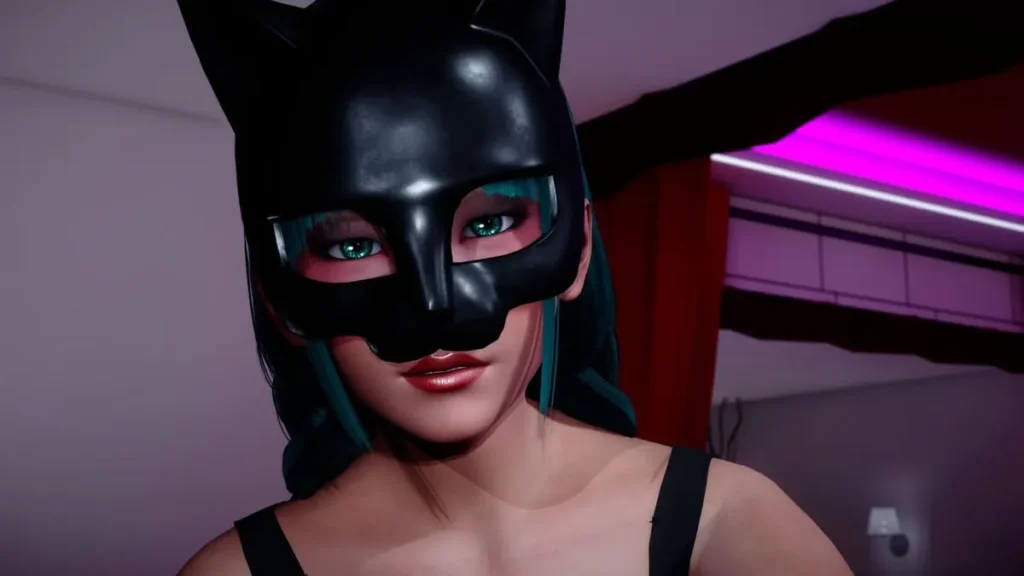
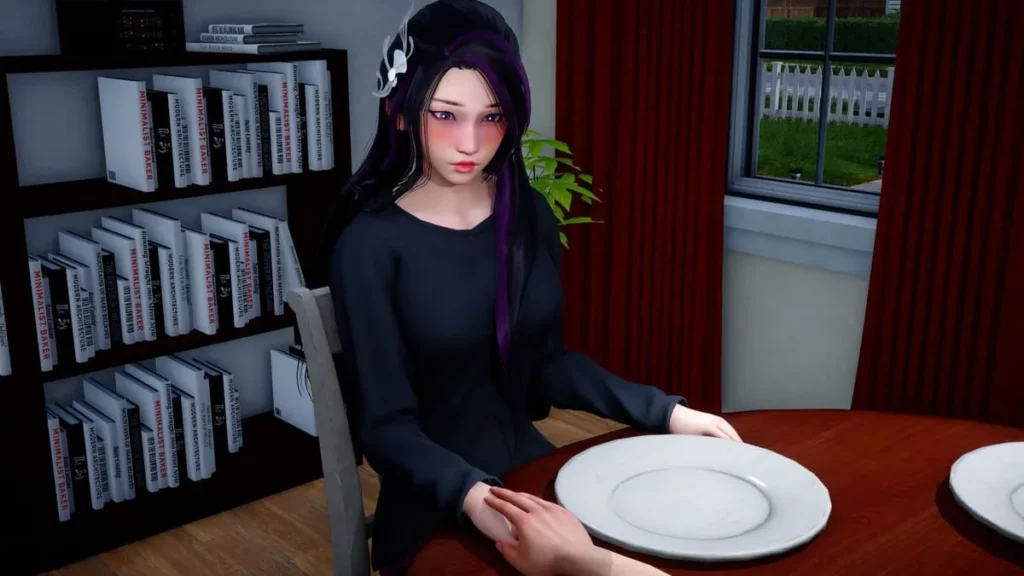
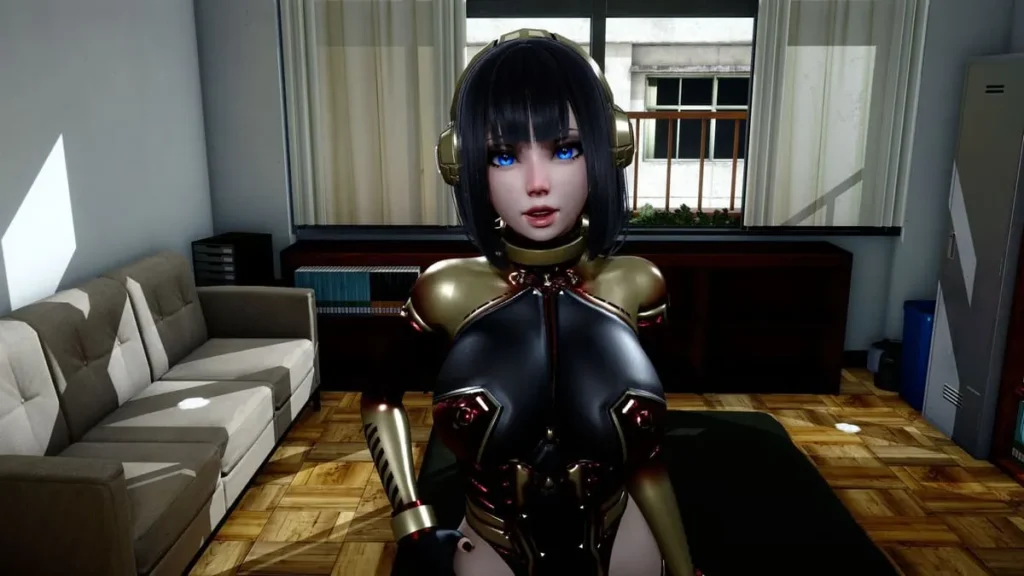

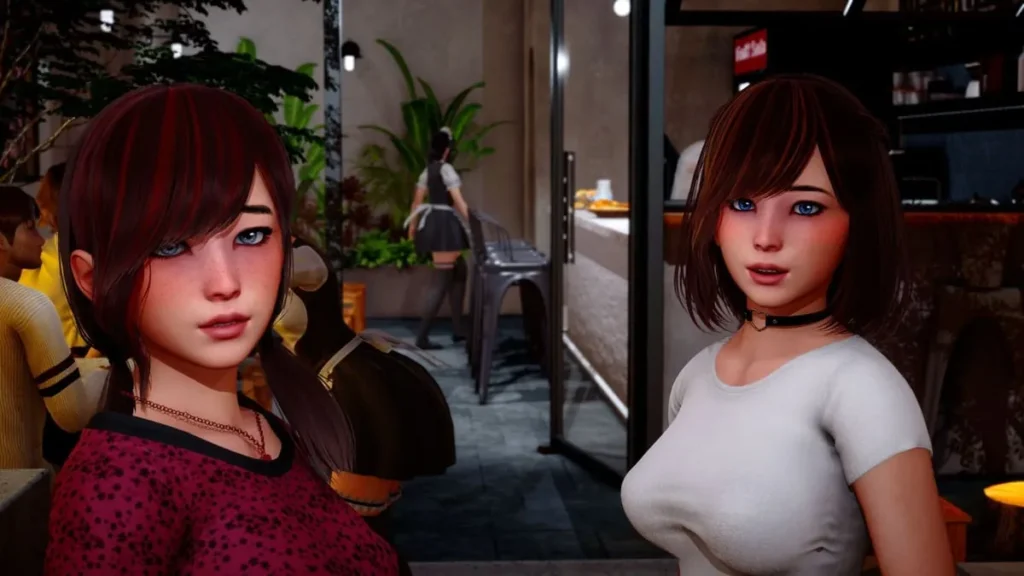

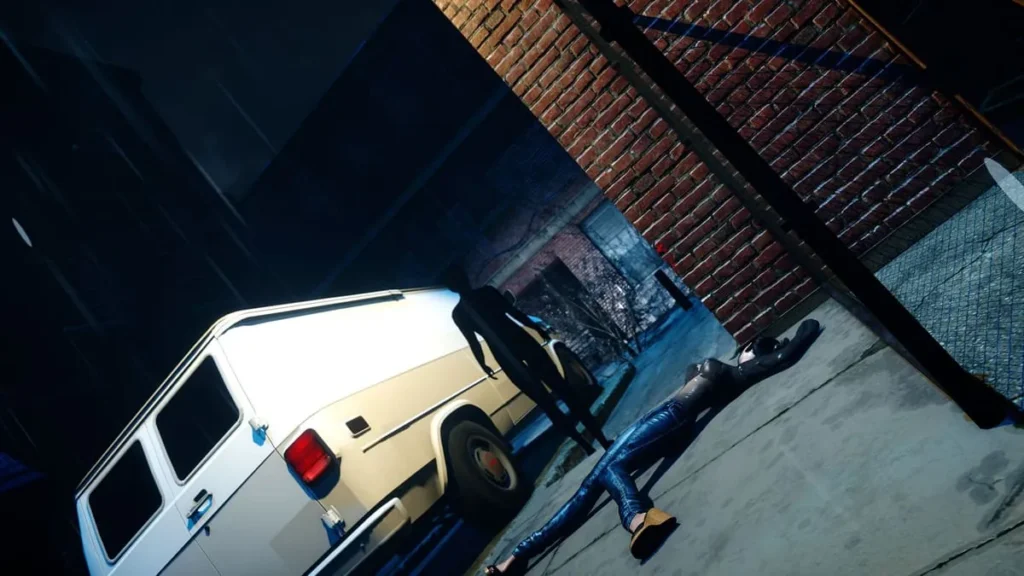

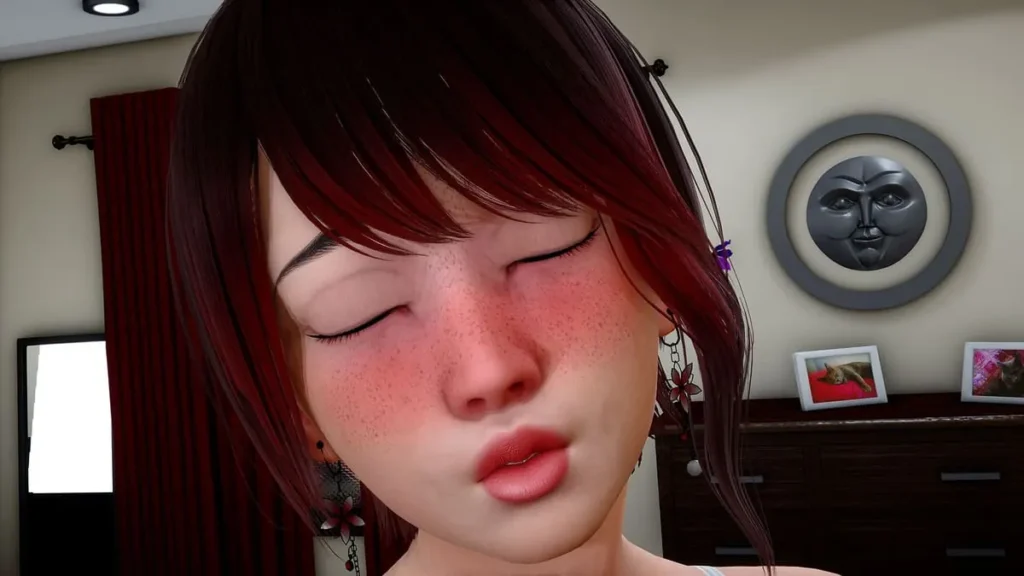
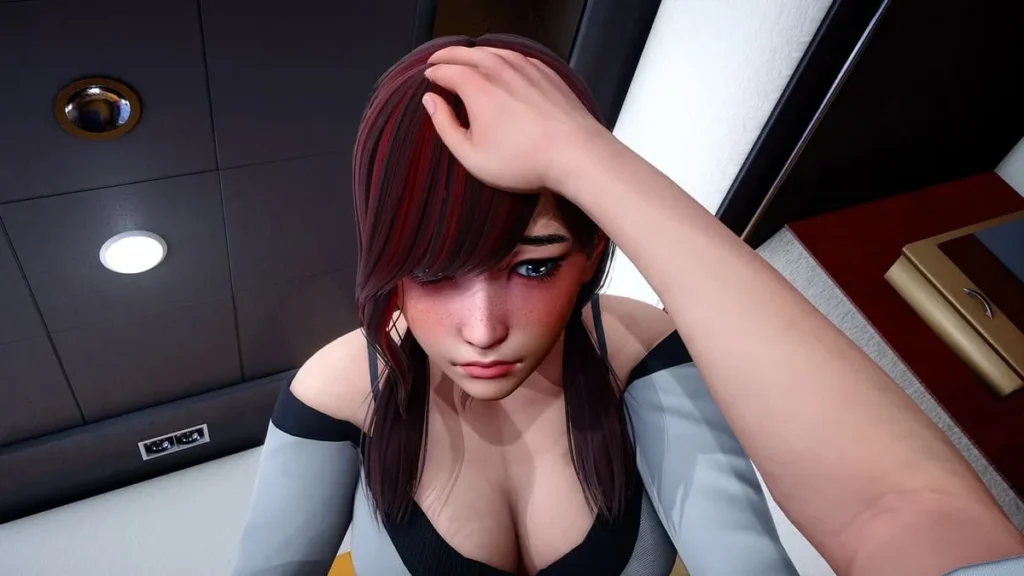
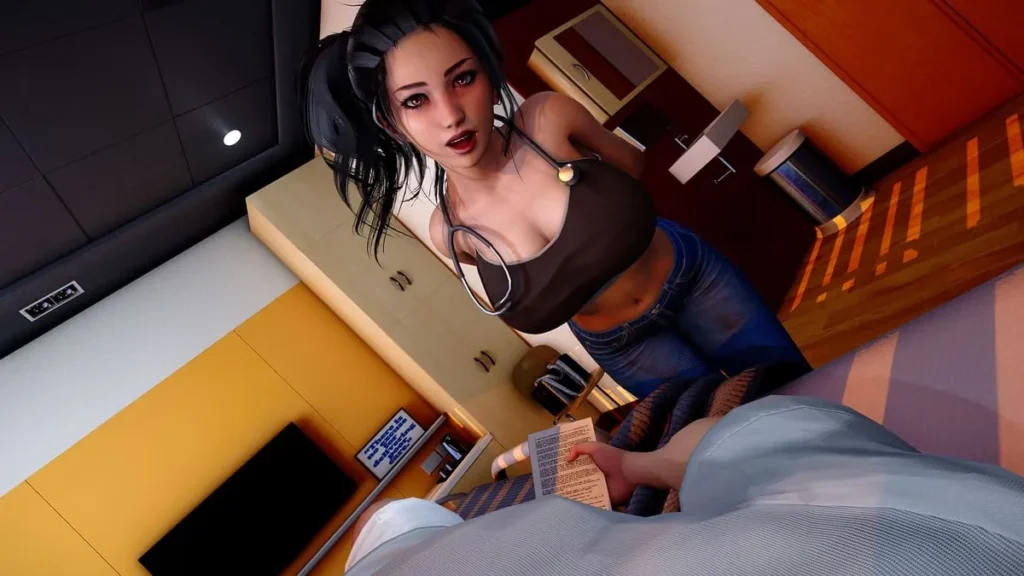
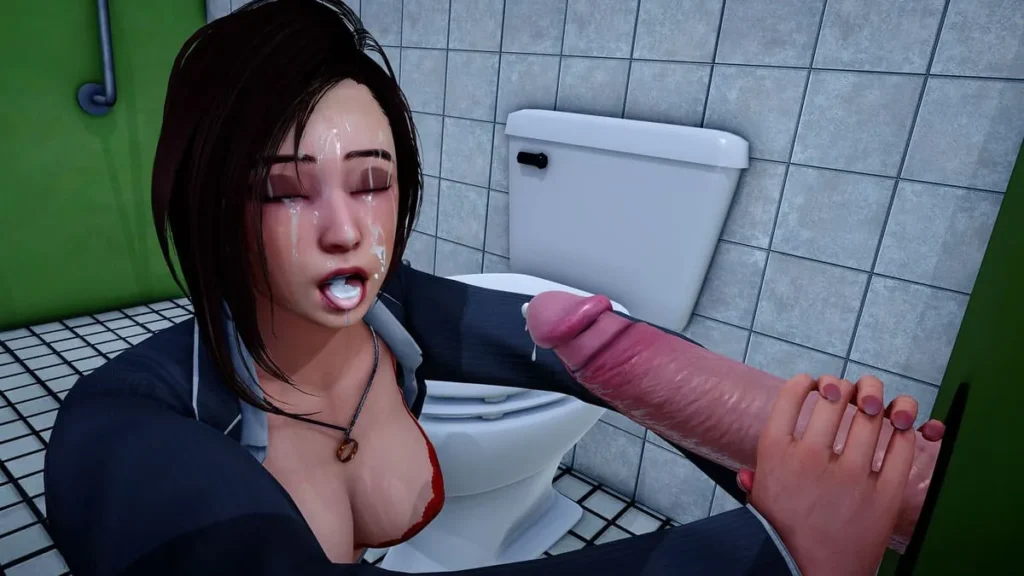
Between Humanity review
Exploring how deliberate pacing and character development redefine storytelling in adult visual novels
Between Humanity stands out in the visual novel landscape as a masterclass in narrative pacing and character development. Unlike many titles that rush through plot and content, this story-driven experience prioritizes meaningful relationship building and logical progression. Players who invest time in this game discover a carefully crafted world where every interaction feels purposeful, and character arcs develop naturally over extended gameplay. Whether you’re new to visual novels or a seasoned player, understanding what makes Between Humanity unique can help you appreciate its distinctive approach to interactive storytelling and world-building.
The Art of Pacing: Why Slow Burn Storytelling Works
You know that feeling when you’re reading a book or playing a game, and everything happens so fast you barely have time to catch your breath? 😅 One moment you’re meeting a character, and the next, you’re expected to be fully invested in their dramatic life-or-death struggle. It can leave you feeling disconnected, like you missed a step. I’ve played countless story-driven visual novels that fell into this trap, rushing toward plot points at the expense of the journey.
Then I played Between Humanity.
This game does something radical in a genre often associated with quick gratification: it takes its time. It understands that the most powerful stories aren’t built on a foundation of instant fireworks, but on the slow, steady laying of bricks—shared glances, quiet conversations, and the daily rhythm of life. This chapter is all about unpacking the genius of that approach. We’re going to explore how Between Humanity’s pacing and its masterful character development in games create an experience that doesn’t just tell you a story, but makes you live it, breathe it, and, eventually, mourn its passing.
Understanding Between Humanity’s Deliberate Narrative Structure
At its core, Between Humanity operates on a simple but profound principle: trust the audience. The developers trust that players are willing to invest in a world and its people, to savor the quiet moments as much as the loud ones. This is the heart of its visual novel narrative structure. Unlike many titles that use chapters as mere containers for scenes, each Between Humanity chapter feels like a distinct, purposeful season in the protagonist’s life.
The game’s structure is intentionally methodical. Characters aren’t introduced in a single info-dump; they enter the narrative naturally, through the protagonist’s job, his daily routines, and the shared spaces of their lives. Some characters are immediately warm and open, while others are guarded, skeptical, or simply indifferent to him at first. This variance in initial reactions creates a tapestry of relationships that feels authentic. There’s no universal “protagonist magnetism” here—each connection must be earned, and that takes narrative time.
This deliberate design becomes crystal clear when you compare its progression to other beloved titles. Where some games accelerate through plot to deliver high-octane moments, Between Humanity lingers in the establishment of normalcy. Let’s look at the data:
| Game Title | By Chapter 4-5 | Primary Narrative Focus |
|---|---|---|
| Between Humanity | Establishing daily life, core friend group, and initial, tentative character bonds. Major plot mysteries are introduced but simmer in the background. | Atmosphere, character foundations, and slow-burn relationship building. The payoff is emotional intimacy. |
| Eternum | Deep into a central sci-fi mystery, with high-stakes action sequences and significant plot revelations already underway. | Fast-paced adventure, plot momentum, and fantasy/sci-fi hook establishment. The payoff is thrilling discovery. |
| My Bully is My Lover (MBiML) | Central dramatic conflict and key character backstories are heavily revealed, often through intense, emotionally charged sequences. | Dramatic tension, resolving core conflicts, and emotional catharsis. The payoff is dramatic resolution. |
This isn’t to say one approach is better than another inherently—they serve different purposes. 🎯 But it perfectly illustrates how does Between Humanity compare to other visual novels. While others are sprinting, Between Humanity is on a scenic hike. It believes the landscape itself—the subtle shifts in a character’s expression, the growth of an inside joke, the comfort of a recurring location—is the destination. This slow burn storytelling philosophy means the game doesn’t “rush into” anything. Intense scenes, when they do arrive, are the product of chapters worth of built-up context, making them exponentially more impactful because you understand exactly why they matter.
How Character Development Unfolds Across Chapters
If the narrative structure is the skeleton, then character development in games is the beating heart of Between Humanity. This is where the game’s patience pays off in spades. The developer has spoken openly about an intentional design philosophy that avoids “love at first sight” tropes in favor of something more nuanced and human.
“I wanted relationships to feel earned and logical. If you meet someone at a coffee shop, you don’t instantly know their deepest fears or life story. You learn it through repeated interactions, through shared experiences. Some characters will naturally be more open, others will take real time and effort to let their guard down. That’s not a barrier to the player; it’s the actual journey.”
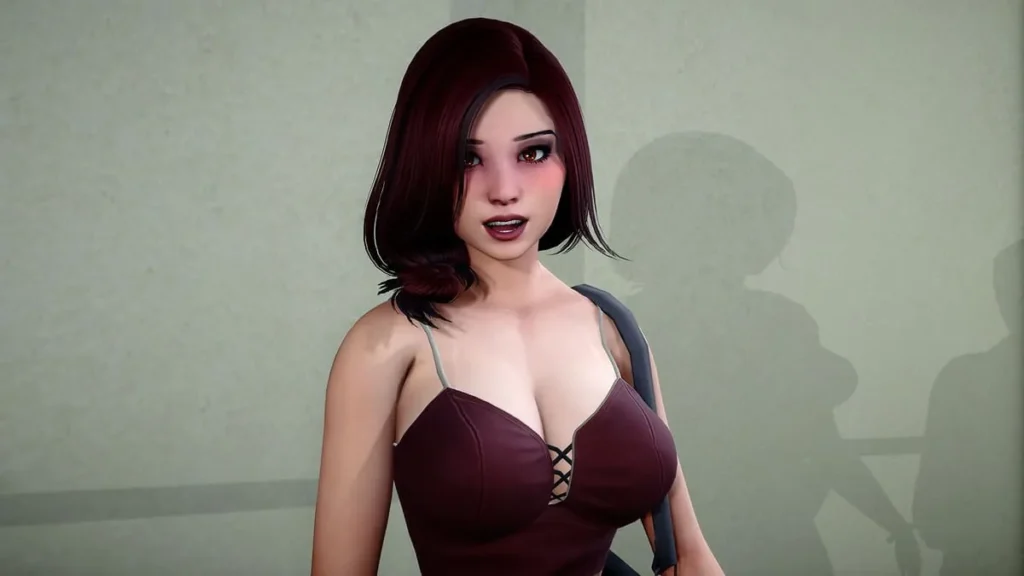
This quote isn’t just a nice idea—it’s the blueprint for the entire experience. Let’s take Emma, for instance. 🍵 Your initial interactions with her might be polite, functional, grounded in your shared environment. There’s no grand romantic gesture in chapter two. Instead, her character arc unfolds across multiple Between Humanity chapters through small moments: remembering how you take your coffee, a shared laugh over a minor mishap, a gradual shift from “customer” to “acquaintance” to “friend.” Her backstory and personal struggles are revealed in fragments, often when you least expect it, making each revelation feel like a genuine privilege, not a checked box on a narrative checklist.
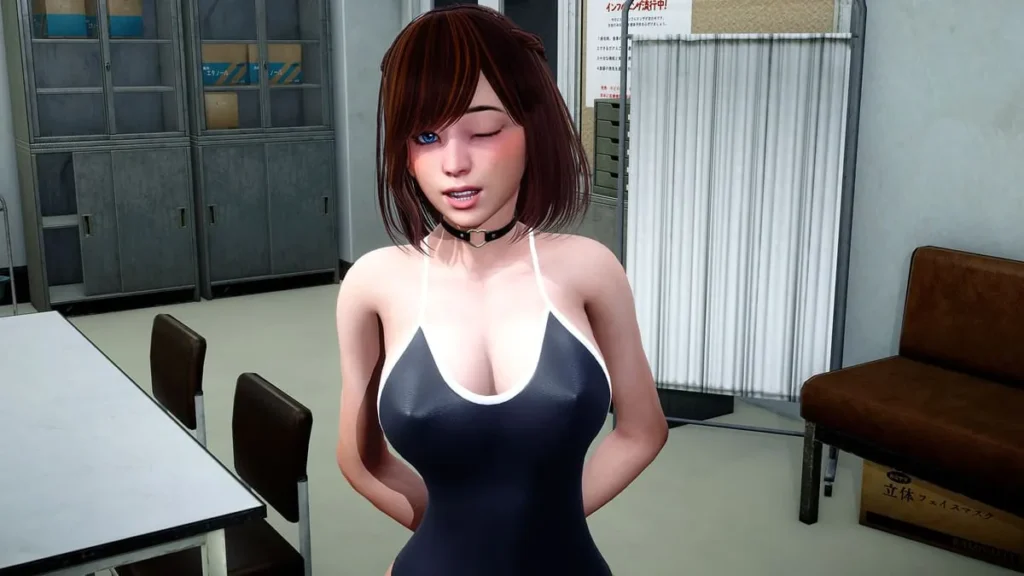
This applies to every major character. Chloe’s tough exterior isn’t shattered in one dramatic scene; it develops small cracks over time, allowing you to see the vulnerability beneath only after you’ve proven yourself to be persistent and genuine. The game respects that people are complex and that trust is built, not bestowed. This methodical character development means that by the time a major story event occurs—a conflict, a confession, a moment of crisis—you don’t just know the character involved; you understand them. You have a mental catalog of their hopes, their quirks, their fears. Your emotional response is therefore deep and personal, because you’re not reacting to a plot point happening to a stranger, but to an event affecting someone you’ve genuinely come to know.
Building Anticipation Through Restraint and Timing
This brings us to the superpower of slow burn storytelling: the art of anticipation. 🕰️ Between Humanity is a masterclass in narrative restraint. By holding back, by not giving you everything you think you want the moment you think you want it, the game builds a powerful sense of longing and investment. It makes you lean forward in your seat, not because a jump-scare is coming, but because you’re desperate for a certain character to finally smile, or for a particular question to be answered.
This pacing creates a unique psychological effect: it makes the world feel lived-in and real, which in turn fosters a deep sense of nostalgia while you’re still playing. You’ll find yourself feeling nostalgic for the “early days” of the game by the midpoint, for those simpler times before certain complexities arose. This is a testament to how thoroughly the game implants its reality into your mind. The café isn’t just a background sprite; it becomes your café. The park bench where you had that awkward first chat becomes a landmark in your memory.
The balance here is exquisite. The game is never boring because it’s always developing—but it develops people and atmosphere as diligently as it develops plot. Major events aren’t the engine of the story; they are the destinations that the engine of daily life and relationship-building naturally arrives at. When a romantic or emotionally charged scene finally occurs, it feels like a monumental payoff. It’s rewarding not because of the scene’s content alone, but because of the immense weight of all the shared history that precedes it. The restraint makes the release meaningful.
This is the grand achievement of Between Humanity’s pacing. In a media landscape shouting for our attention, it chooses to whisper. And in doing so, it demands that we listen more closely, that we observe more carefully, and that we feel more deeply. It redefines storytelling in adult visual novels by proving that maturity isn’t just about content, but about patience—the patience to let a story breathe, to let characters grow, and to let players fall in love with a world one carefully crafted, quiet moment at a time. You don’t just play through it; you inhabit it. And long after you close the game, the echoes of its deliberately built, beautifully paced world stay with you, like the memory of a long, perfect conversation with a close friend. ✨
Between Humanity represents a thoughtful approach to visual novel design that challenges industry conventions. By prioritizing narrative pacing, character authenticity, and earned progression, the game creates a more immersive and memorable experience than titles that rush toward immediate gratification. The developer’s commitment to logical relationship building, varied character dynamics, and story-first design philosophy demonstrates that adult visual novels can offer sophisticated storytelling alongside mature content. For players seeking interactive fiction that respects their time and intelligence, Between Humanity offers a compelling alternative to conventional genre offerings. Whether you value deep character development, meaningful choices, or simply well-crafted narrative, this game rewards patience with a richly realized world and characters that feel genuinely alive.