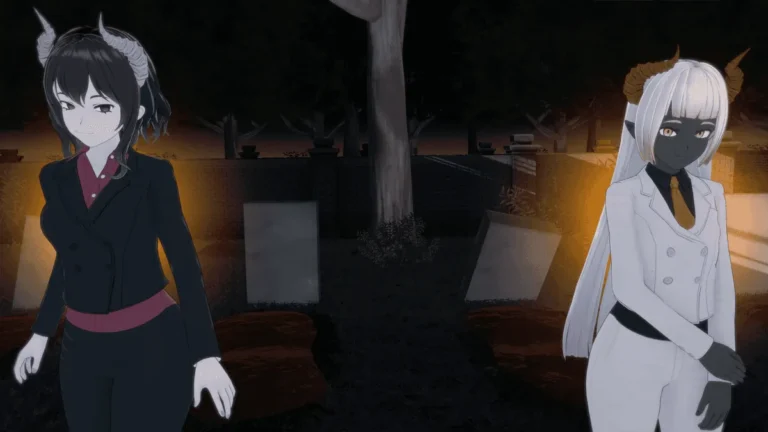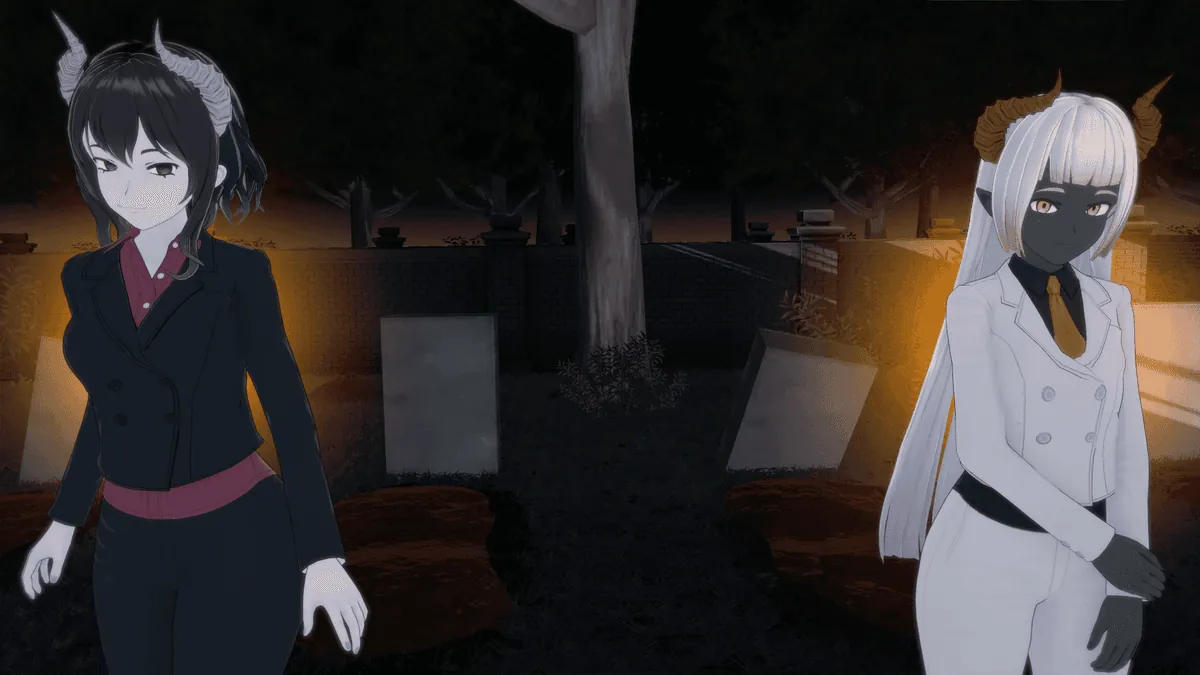
Demons of the Hearth
Play Demons of the Hearth
Demons of the Hearth Screenshots



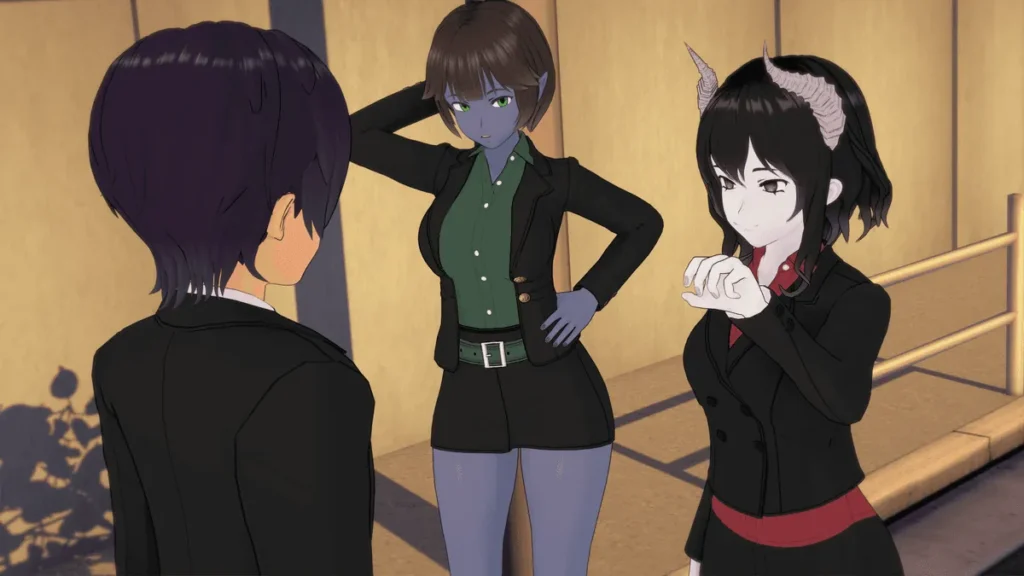
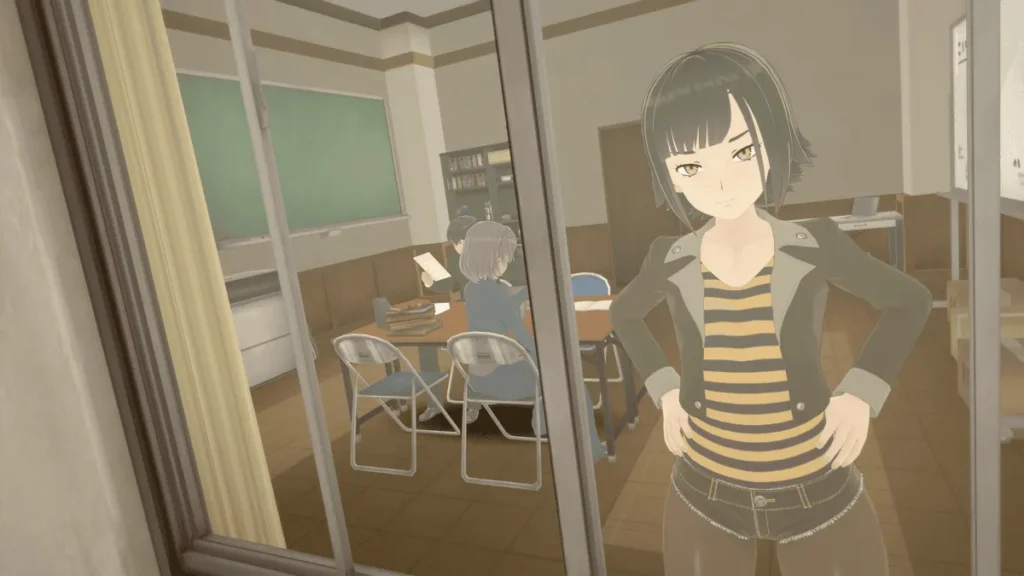



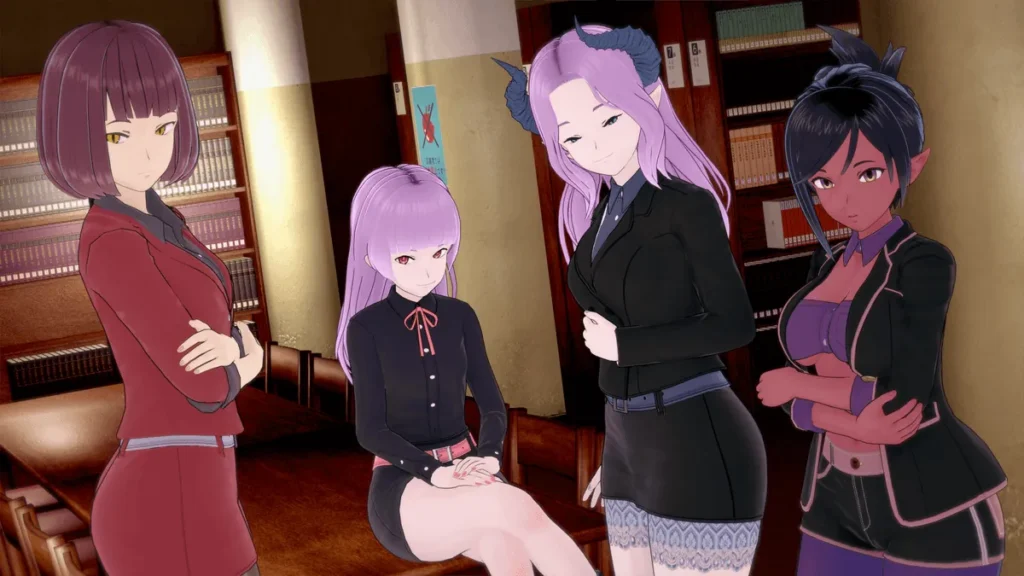
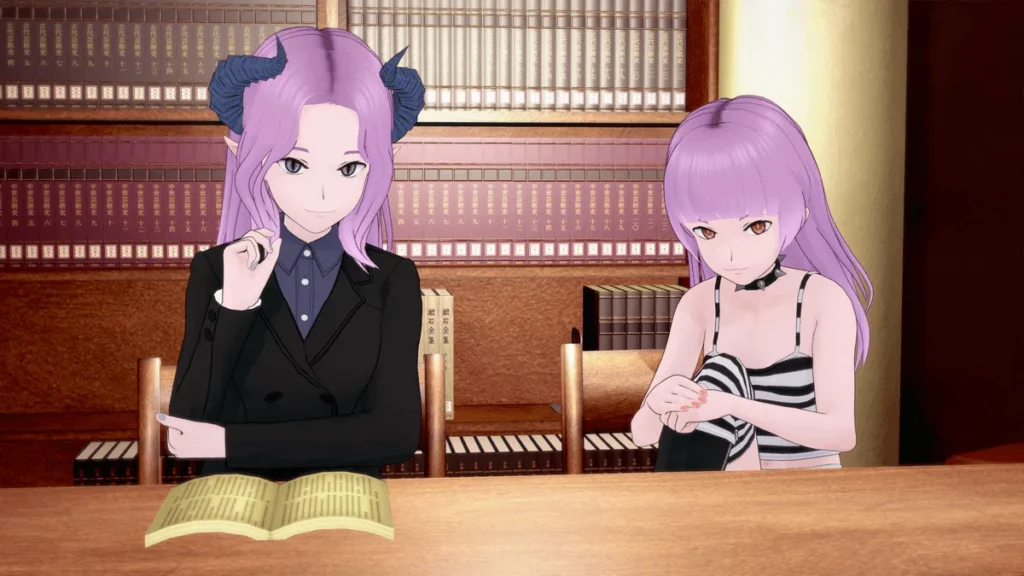
Demons of the Hearth review
Dive into the gripping story and steamy scenes of this underrated visual novel
Ever stumbled upon a hidden gem that hooks you from the first scene? That’s Demons of the Hearth for me—a visual novel that blends thriller storytelling with intimate encounters in a demon-filled world. I remember downloading it expecting a quick play, but hours later, I was invested in its rich narrative and charming characters. Developed by Konvel on itch.io, this game stands out with its deep worldbuilding, emotional twists, and character-driven plot. Whether you’re navigating sandbox interactions or uncovering hidden stats, Demons of the Hearth delivers suspense and satisfaction. Stick around as I share my journey, tips, and why this title deserves your time.
What Makes Demons of the Hearth So Addictive?
I’ll never forget the moment Demons of the Hearth truly sank its hooks into me. It was during Chapter 2, late at night, and I was just planning to play for an hour. A seemingly simple choice—whether to confront a character about a strange noise—led to a sequence so tense, my heart was literally pounding. The screen faded to black with a chilling line of text, and I was left staring, wide awake, needing to know what happened next. That’s the magic of this game. It doesn’t just want your attention; it commandeers your nervous system. 😱
So, what is it about this underrated visual novel that creates such a powerful pull? It’s the masterful blend of a heart-pounding Demons of the Hearth story, a deeply reactive Demons of the Hearth gameplay system, and a structure that makes you feel like the architect of your own suspense thriller. Let’s dive into the core mechanics that make it so irresistibly addictive.
Why the Story Keeps You Up All Night
At its core, the Demons of the Hearth story is a masterclass in tension. It’s not about cheap jump scares; it’s about psychological unease, fractured trust, and the terrifying intimacy of danger living under your own roof. The writing is phenomenally strong, making you care deeply about characters, loathe others with a passion, and constantly question who, if anyone, is truly on your side.
The Demons of the Hearth thriller elements are woven into every interaction. A friendly dinner conversation can be laced with double meanings. A character’s sudden absence after a cliffhanger isn’t just a plot device—it fills you with genuine dread. You’re not a passive observer; you’re living in this unnerving world.
Here’s what players in comments sections consistently rave about, and I wholeheartedly agree:
- Emotional Depth That Bites: Characters feel heartbreakingly real. Their fears, desires, and secrets become your obsession.
- Uncertain Alliances: The game expertly makes you question everyone’s motives. Your closest ally one night could feel like your greatest threat the next.
- Consequences With Weight: Every narrative choice feels monumental, changing relationships and altering the story’s path in meaningful ways.
- Pacing That Pulls You Under: It builds slow, atmospheric dread that erupts into moments of sheer, captivating intensity.
- Moral Ambiguity: You’ll constantly debate the “right” choice, as the game proudly lives in shades of gray, not black and white.
This is the primary answer to why play Demons of the Hearth. If you crave a story that grips you emotionally and intellectually, this is it.
Hidden Stats and Their Impact on Your Playthrough
This is where the Demons of the Hearth gameplay truly shines and separates itself from more linear novels. Beneath the surface of every dialogue choice and action lies a sophisticated system of hidden stats Demons of the Hearth employs. Forget grinding or number-crunching; this is all about organic, narrative-driven development.
Your protagonist isn’t a blank slate. Are you becoming more Assertive or Empathetic? More Suspicious or Trusting? These hidden traits are shaped silently by your decisions. Choosing to investigate a mysterious letter might boost your Curiosity, while opting to comfort a distressed character builds Compassion.
These hidden stats act as a key for the game’s sandbox mode Demons of the Hearth. They determine:
* Which dialogue options unlock during critical scenes.
* How characters perceive and react to you.
* Your ability to persuade, intimidate, or uncover secrets.
* Which story branches and character routes become available to you.
Pro Tip: Don’t try to “game” the system. Play authentically. Make choices that feel right for the character you’re role-playing in the moment. The most rewarding Demons of the Hearth playthroughs come from this organic approach, leading to endings that feel uniquely yours.
To visualize how these hidden layers interact, here’s a breakdown:
| Your Choice (Example) | Possible Hidden Stat Affected | Potential Story Impact |
|---|---|---|
| Demand answers from a sister during an argument. | + Assertiveness, + Suspicion | Unlocks more direct confrontation options later; may cause certain characters to become defensive. |
| Listen patiently and offer help instead. | + Empathy, + Trust | Unlocks paths to deeper secrets shared voluntarily; strengthens loyalty from that character. |
| Snoop through a character’s private belongings. | + Curiosity, – Trust (if discovered) | Might reveal crucial plot clues early; severely damages your relationship if caught. |
Balancing Sandbox Freedom with Linear Thrills
The sandbox mode Demons of the Hearth offers is brilliantly deceptive. On the surface, you have the freedom of a house to explore, characters to interact with daily, and side activities to pursue. It feels open, alive, and immersive. But the game expertly uses “choke points” to ensure the thrilling, linear narrative never loses momentum. This balance is the secret sauce of its addictiveness.
You can’t just blast through the main plot. The story often progresses by requiring you to engage with the sandbox. For instance, to advance the central mystery, you might need to:
* Reach a certain level of trust with the enigmatic Ilvog sisters, achieved by choosing to have daily chats or share meals.
* Discover a specific clue that only appears if you’ve been regularly exploring the library or garden.
* Trigger a side event that provides context crucial to understanding the next main story beat.
This is where practical Demons of the Hearth progression tips are essential:
- Interact Daily: Make a habit of talking to every character you can each in-game day. These small interactions build the rapport needed to unlock their major story events. 🗣️
- Explore Thoroughly: The house and its grounds change. New interactive points appear as the story evolves. Click everywhere!
- Do NOT Rush: The main plot will literally wait for you. If you hit a wall, it’s the game telling you to immerse yourself in the side stories and character relationships. This isn’t filler—it’s foundational.
- Dinners are Key: 👩🍳 Accepting or initiating dinners, especially with the Ilvog sisters, is often a critical gateway for narrative progression and stat boosts.
This structure makes the world feel persistent and real. Your investment in the sandbox mode directly fuels the intensity of the linear thriller. The freedom makes the inevitable twists feel more personal, and the tight plot ensures your exploration always has purpose.
In the end, Demons of the Hearth feels less like a game and more like a movie you’re directing from the inside. Its strength isn’t in flashy art (though its style is effectively atmospheric) but in profound, reactive writing and ingenious systems that tie your every action to the heartbeat of the story. You’re not just reading a thriller; you’re living in one, making the desperate choices that determine who survives the night. That’s the ultimate, addictive allure.
Your Demons of the Hearth Progression FAQ
Q: How do I trigger the important dinner with the Ilvog sisters?
A: This is a classic choke point! First, ensure you’ve progressed the main story to the point where it’s suggested. Then, focus on building Trust with both sisters through daily conversations. Often, you’ll get a prompt in the afternoon to join them in the dining room. If it’s not showing up, spend a day or two solely on side interactions with them—sometimes a specific, minor conversation branch is the trigger.
Q: I’m stuck and the main story won’t advance. What should I do?
A: This is almost always by design. Follow these Demons of the Hearth progression tips: 1) Re-explore the entire house for new interactive points. 2) Talk to every character until their dialogue repeats. 3) Review your journal and notes—you may have missed a clue hinting at a location or person to investigate. 4) Simply let a couple of in-game days pass while building relationships; time itself can trigger new events.
Q: Can I max out all the hidden stats in one playthrough?
A: It’s highly unlikely, and that’s the point! The hidden stats Demons of the Hearth uses are often in opposition (e.g., being more Assertive might mean being less Empathetic in a given scene). This makes each playthrough unique. Embrace your natural choices for the most satisfying story, and save perfectionist runs for later—it’s a game that demands multiple playthroughs to see everything.
Demons of the Hearth has taken me on a wild ride of suspense, attachments, and steamy surprises that few games match. From its masterful storytelling and deep characters like Krowe to smart progression that rewards exploration, it’s a standout in visual novels. My tips on trust-building, side quests, and embracing the sandbox will help you dive deeper without frustration. If you’re craving a mix of thriller plot and intimate moments, grab it from itch.io today. What’s your favorite character or moment so far? Share in the comments—I’d love to hear your stories and keep the conversation going.