Take Over
Play Take Over
Take Over Screenshots

Take Over review
Discover gameplay, characters, and tips for this immersive takeover adventure
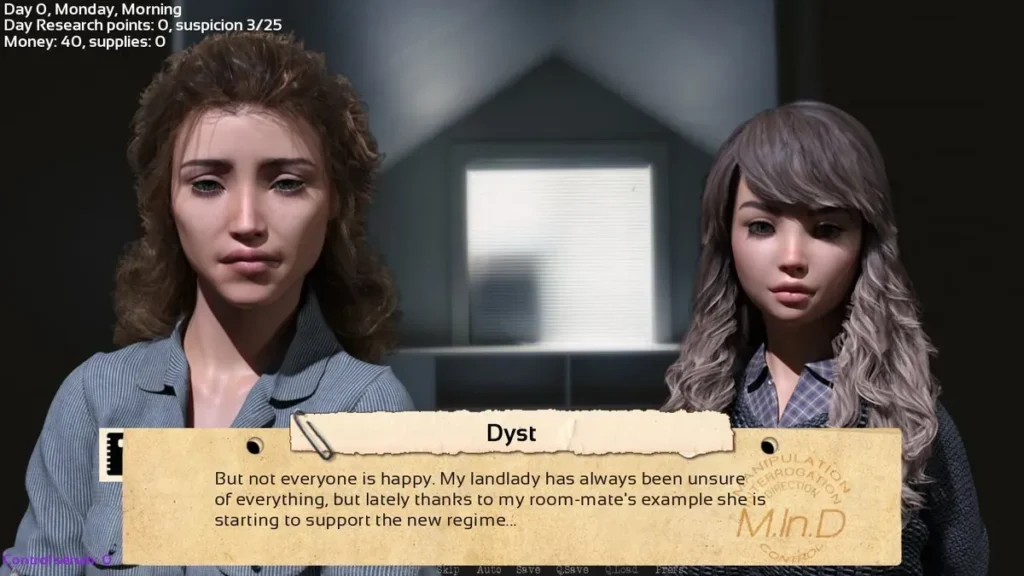
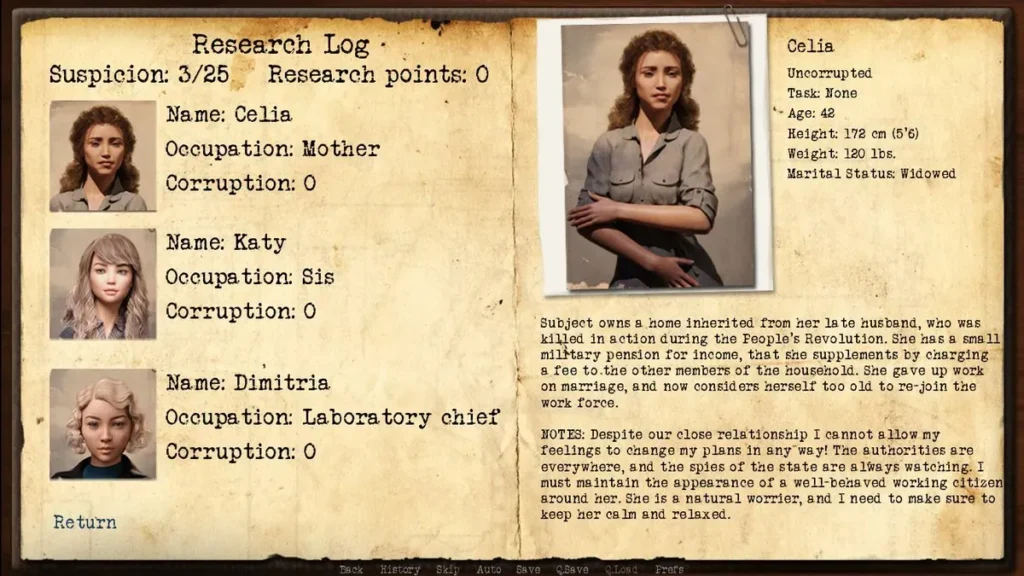
Ever stumbled upon a game that hooks you with its bold narrative and steamy twists? Take Over is that thrill ride—an adult visual novel where you step into the role of a cunning villain plotting to dominate a vibrant world. From corrupting powerful heroines to building your empire, this game blends strategy, choice-driven stories, and explicit encounters that keep players coming back. I’ve spent countless hours mastering its mechanics, and let me tell you, the satisfaction of a perfect takeover run is unbeatable. Whether you’re new or replaying for hidden paths, this guide unpacks everything to elevate your experience.
How to Master Take Over Gameplay Basics?
So, you’ve decided to step into the high-stakes world of Take Over? 🎮 Welcome. You’re in for a ride that’s equal parts cerebral strategy and deliciously tense narrative. If you’re anything like me, your first attempt at how to play Take Over probably ended in a spectacular, confusing mess. I remember mine vividly: I spent all my resources trying to charm a key character, only to find I hadn’t built the right skills to even unlock the conversation branch I needed. I was left with zero leverage and a game over screen that felt like a personal insult. 😅 But that failure taught me everything. This Take Over progression guide is built from those hard-won lessons, designed to help you master the Take Over gameplay loop from day one.
Let’s break down the essentials so your journey is one of cunning triumph, not humble pie.
What Makes Take Over’s Mechanics Unique? 🔧
At its heart, Take Over is a brilliant fusion of turn-based strategy and a narrative labyrinth. The core Take Over mechanics revolve around a simple yet profound cycle: Gather Intel, Allocate Resources, Execute Actions, and Reap Consequences. Each in-game day is a turn, and your goal is to strategically expand your influence—or “take over”—various assets and relationships on the map.
What sets it apart is the resource management system. You’re not just managing money or troops; you’re managing Social Capital, Influence, and Leverage. Trying to persuade a corporate target requires a different currency than blackmailing a rival. I learned this the hard way when I used blunt Influence on a character who only respected subtle Social Capital—they shut me down completely.
The true genius, however, lies in the Take Over decision trees. Every conversation, every mission choice, branches out invisibly. A seemingly minor decision in Week 1 can lock or unlock entire story arcs by Week 4. It’s not about good or bad choices; it’s about constructing a web of cause and effect that supports your unique playstyle. This makes a Take Over walkthrough less about a single path and more about understanding the mechanics that make all paths possible.
Think of your resources as specialized keys. Using the wrong one might jam the lock forever.
To build your crew effectively, you need to understand their core strengths. Here’s a quick reference for early-game recruitment:
| Character | Primary Stat | Best Use For | Early Game Priority |
|---|---|---|---|
| The Connector | Social Capital | Unlocking new areas & characters | High |
| The Analyst | Intel Gathering | Revealing secrets & mission details | High |
| The Enforcer | Influence | Direct confrontations & threats | Medium |
| The Hacker | Technical Leverage | Digital theft & system overrides | Medium |
Essential Tips for Early Game Progression 🚀
The first few days in Take Over are critical. This is where you build the foundation for your entire run. Your goal isn’t to win immediately, but to set up a self-sustaining engine of influence. Here are my top Take Over early game tips, born from that initial failure:
- Invest in Intel, Always. 🕵️♂️ Before you spend a single point of Leverage on a takeover attempt, spend points on gathering Intel. Knowing a target’s weaknesses isn’t just helpful—it often reduces the resource cost of the action by 50% or more. This is the most important rule for how to play Take Over efficiently.
- Recruit The Analyst First. From the table above, you’ll see why. A character who boosts your Intel gathering accelerates everything else. They help you find the best targets and avoid wasted actions.
- Balance Your Stat Growth. Don’t just pump points into one stat like Persuasion. The Take Over gameplay challenges you with varied obstacles. A mix of Persuasion, Deception, and Insight will keep your options open.
- Complete “Foundation” Missions. These are the low-risk, high-reward tasks that often provide permanent stat boosts or unlock essential facilities. They’re boring but absolutely necessary for a smooth Take Over progression guide.
- Save Before Major Decisions. This sounds simple, but the branching narratives are complex. Having a save point lets you explore a decision tree branch without tanking your 10-hour run.
Let me illustrate a sample, optimized early-game day:
* Morning: Check your mission board. Prioritize one that offers an Intel reward. Use The Analyst character for a bonus.
* Afternoon: Spend your freshly gained Intel to scope out a potential target. Discover they are vulnerable to blackmail (Leverage) instead of bribery (Influence).
* Evening: Instead of acting immediately, use your remaining time to build Social Capital with a different character who can later help you obtain that blackmail material more cheaply.
* Night: Save your game. Review your long-term relationship map.
This methodical approach, focusing on preparation over action, is the key to mastering Take Over mechanics.
Unlocking Hidden Paths and Choices 🌳
This is where Take Over transforms from a good game to a great one. The Take Over decision trees aren’t always obvious. Hidden paths are unlocked not by clicking every dialogue option, but by meeting specific, often undocumented, stat checks or relationship thresholds.
For example, in my successful run after my first failure, I wanted to recruit a particularly guarded character. The obvious path required a huge amount of Influence. Instead, I spent three in-game days prior building a friendship with their assistant (using Social Capital), which unlocked a new, private conversation where I could use my high Insight stat to offer emotional support. This bypassed the Influence check entirely and led to a more loyal, and more narratively satisfying, alliance. This kind of layered interaction is the Take Over gameplay at its best.
To consistently find these hidden branches:
1. Talk to Everyone, Repeatedly. Characters update their dialogue based on world events and your reputation. A throwaway line one week can be a crucial hint the next.
2. Cross-Reference Your Intel. Information found on a computer file might give you a unique dialogue option with a character you’ve already met. The game rarely holds your hand here.
3. Build Relationships for Access, Not Just Aid. A character’s primary value might be the door they open, not the skill they provide. Someone with mediocre stats might be the only one who can introduce you to the reclusive hacker you really need.
A practical Take Over walkthrough tip for the mid-game is to maintain a “soft save” before entering any new story zone. Play aggressively to discover what’s hidden, then reload and play efficiently with your newfound knowledge. It’s like having a map in a maze.
FAQ: Your Take Over Gameplay Questions, Answered
Q: What stats should I absolutely prioritize in my first run?
A: For a balanced and flexible first run, focus on Insight and the stat your first recruited specialist doesn’t cover. Insight lets you read situations and characters, often revealing cheaper action paths. This pairs well with a specialist like The Enforcer (so you also have Influence) or The Hacker (so you have Technical Leverage).Q: I feel stuck. My resources are low and every action seems too risky. What do I do?
A: Go back to basics. Stop pursuing main targets for a day or two. Use all your turns to gather Intel on everything and complete simple, low-risk missions to rebuild your resource pools. Often, the Take Over mechanics are telling you you’ve moved too fast without the proper foundation.Q: How important is it to romance characters for the best Take Over gameplay?
A: While not strictly necessary for “winning,” romantic subplots are often the most reliable way to deeply build Social Capital with a character, which can unlock exclusive assets, story branches, and powerful assistance. Think of it as a high-investment, high-reward strategy. It can definitely be a core part of your Take Over progression guide for certain playstyles.
Mastering Take Over is about embracing its depth. It rewards patience, observation, and strategic forethought over brute force. Start slow, build smart, and remember: every piece of Intel is a weapon, and every relationship is a tool. Now get out there and start your takeover. The board is waiting. ♟️
Take Over stands out as a captivating adult game that rewards smart strategies and bold choices, from initial conquests to epic finales with your favored characters. My own journeys through its branching paths have shown how replayability keeps the excitement alive—each run uncovers fresh dynamics and rewards. Dive in, experiment with different approaches, and craft your ultimate takeover saga. Ready to claim victory? Start playing today and share your triumphs in the comments below—what’s your favorite path so far?