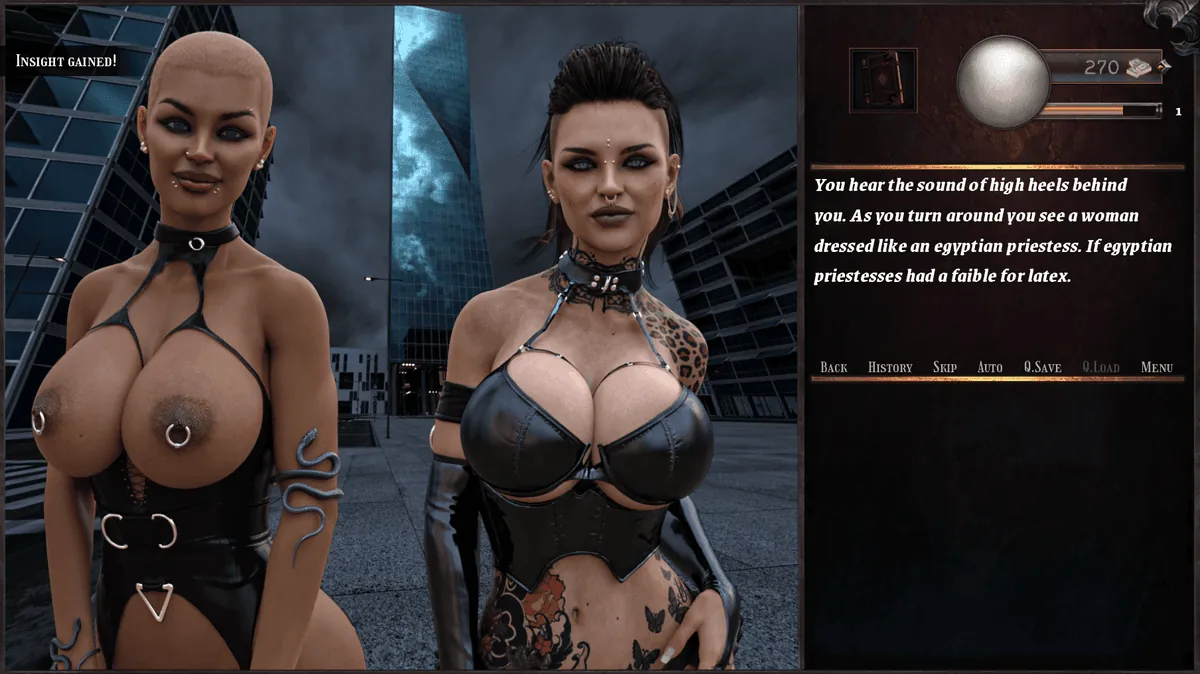
The Shadow over Blackmore
Play The Shadow over Blackmore
The Shadow over Blackmore Screenshots
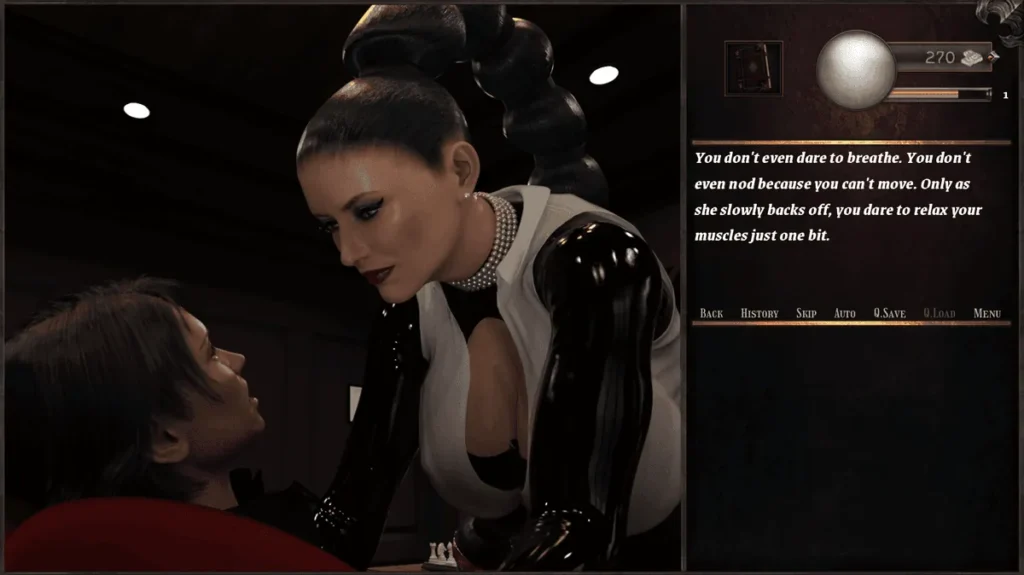
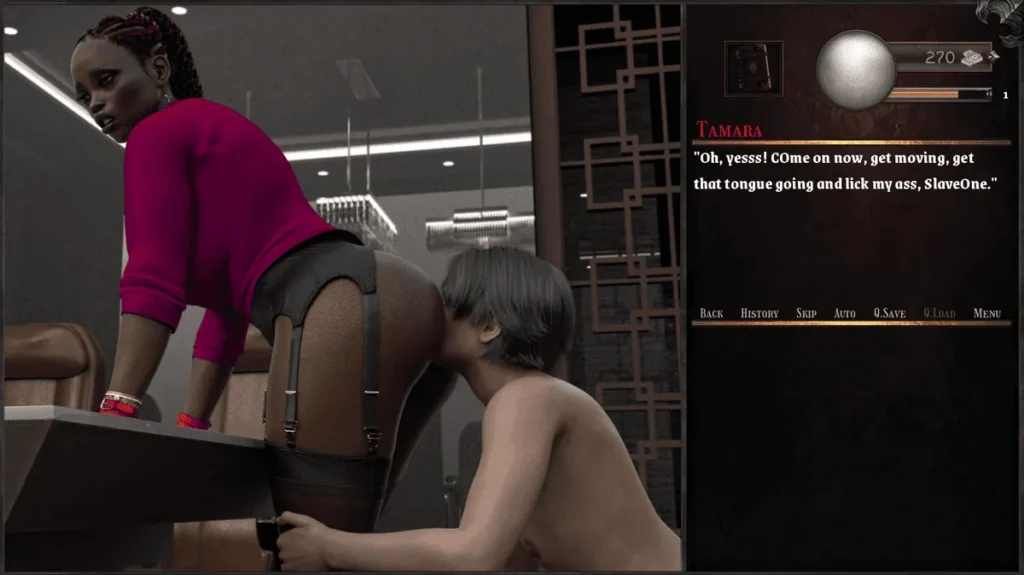
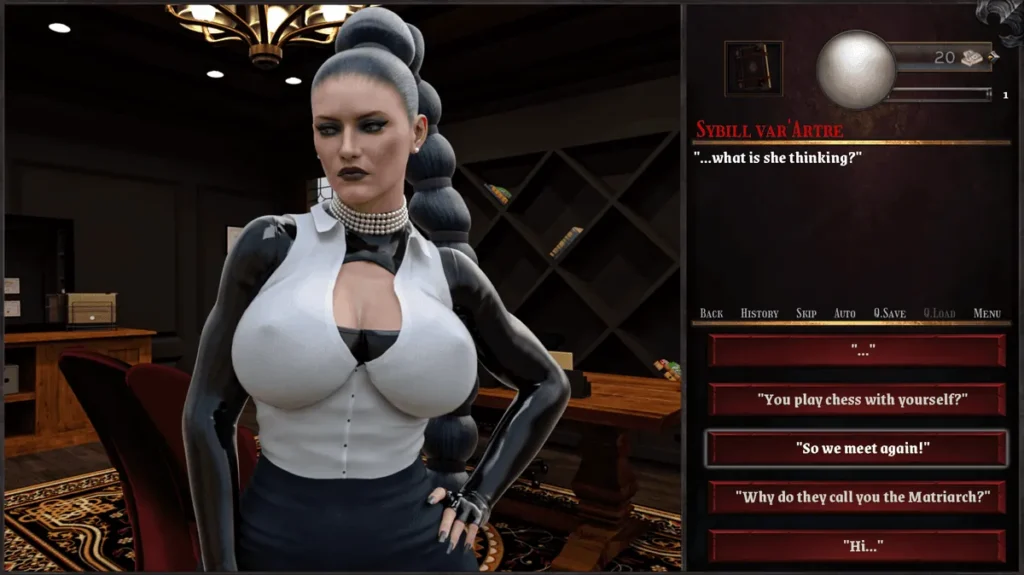
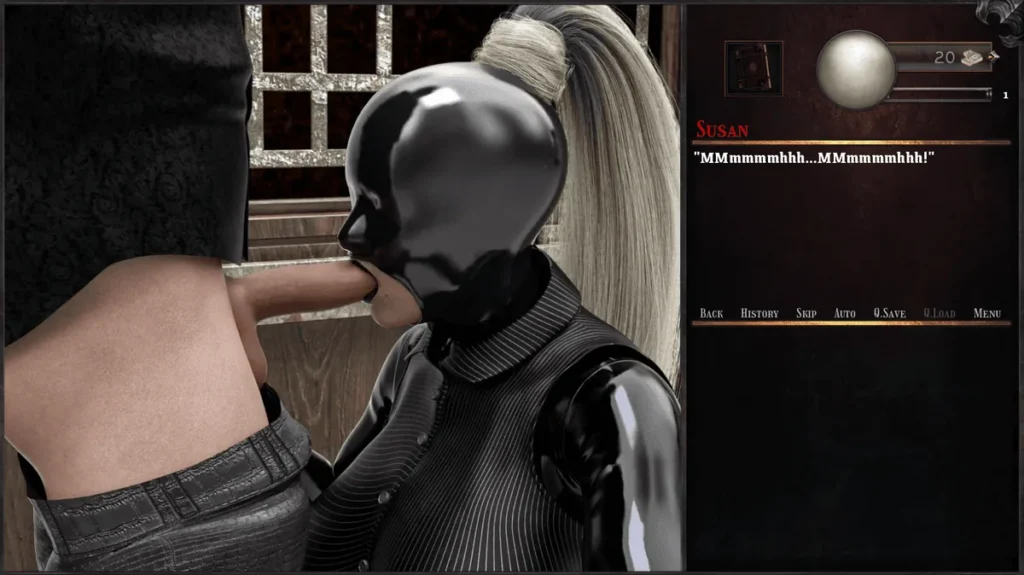
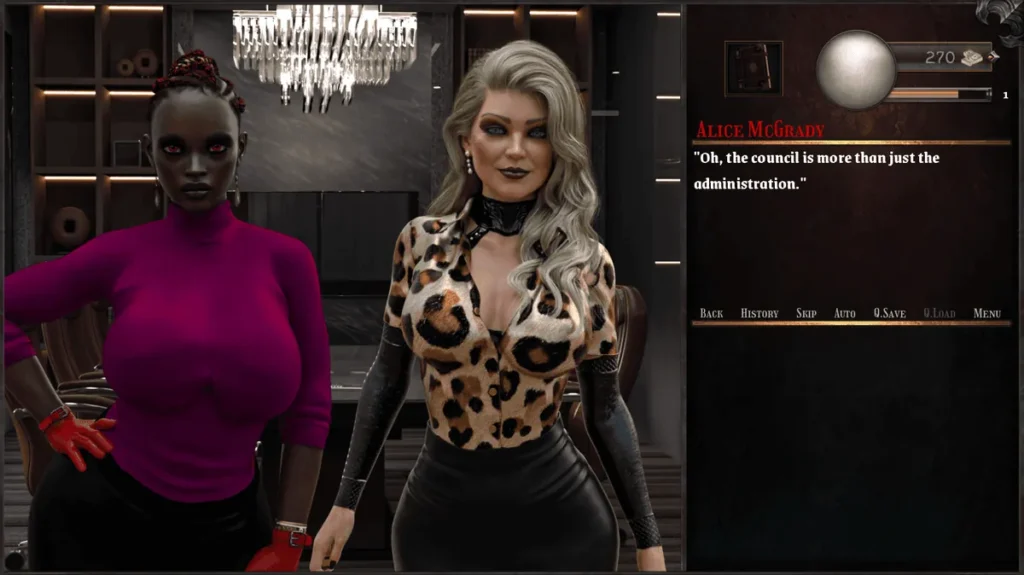
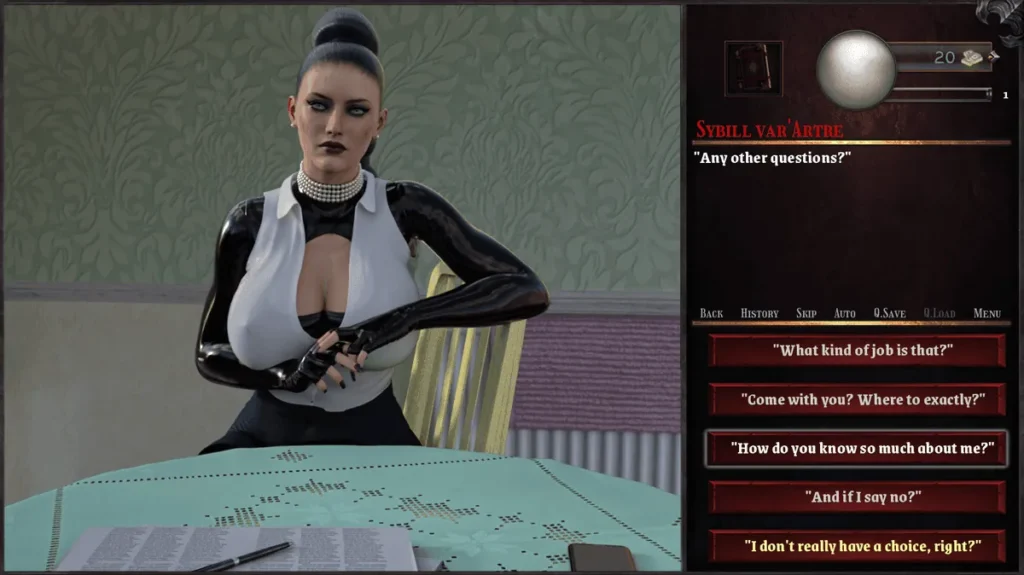
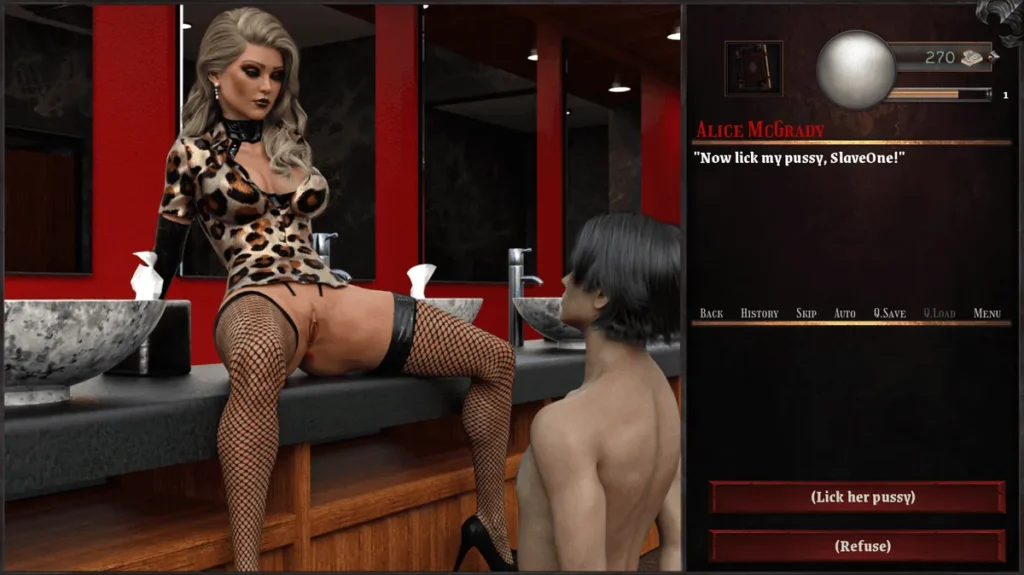
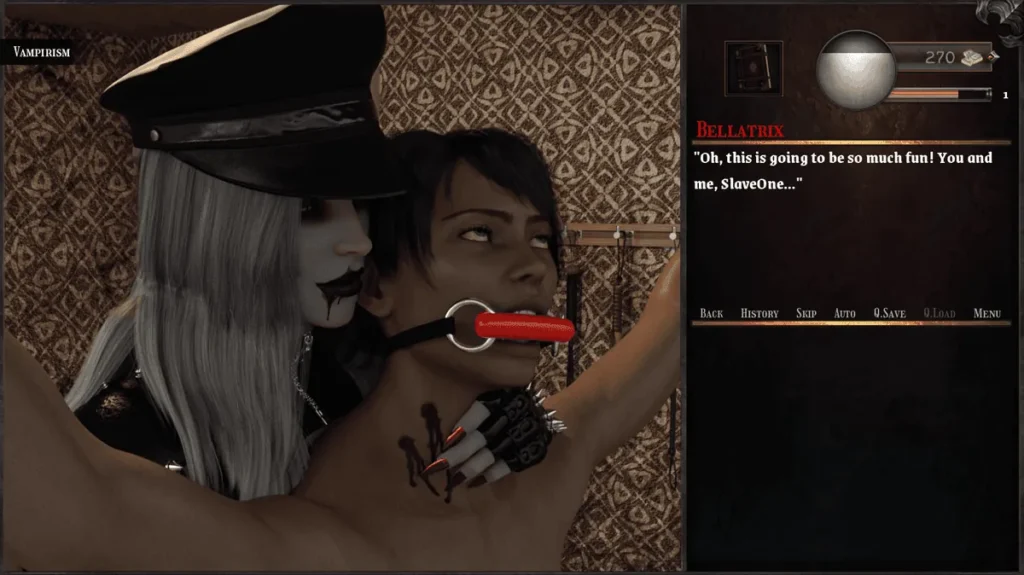
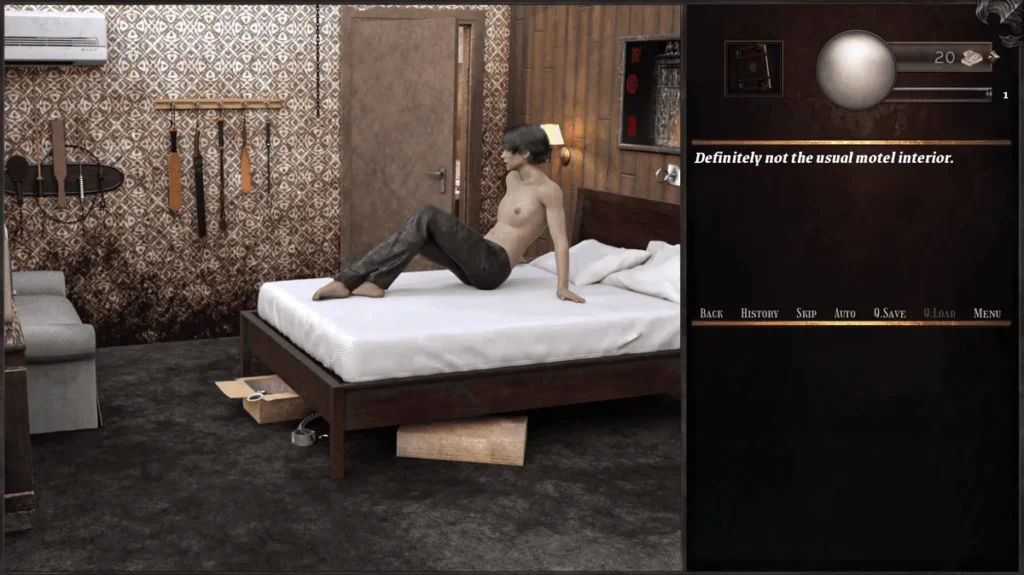
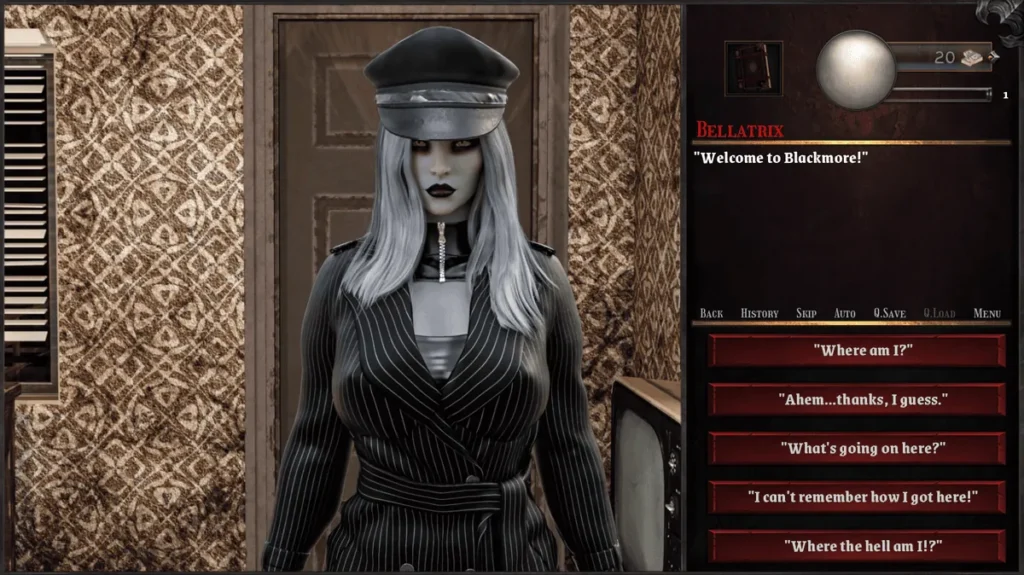
The Shadow over Blackmore review
An in-depth, player-focused guide to The Shadow over Blackmore
The Shadow over Blackmore is a standalone game with a devoted community and unique mechanics that reward exploration and narrative choices. In this article I walk you through what to expect, how to get started, my personal play experience, and actionable tips to make the most of your time in Blackmore. Whether you want an overview of systems, a walkthrough for early progression, or advice on customizing your playthrough, this guide covers each aspect with clear examples and practical recommendations.
What is The Shadow over Blackmore? — Origins and Overview
Ever stumbled upon a game so perfectly tailored to your tastes it feels like it was pulled straight from your own daydreams? 😲 That was my exact experience with The Shadow over Blackmore. I’d grown weary of sprawling open worlds that felt hollow and action-heavy titles where the story was an afterthought. Then, a forum post buried in a thread about narrative-driven gems mentioned this name. With zero fanfare and only a handful of screenshots showing moody, hand-painted streets, I took a chance. What I found wasn’t just a game; it was an invitation to lose myself in a world where every whisper mattered and every choice carried weight.
“I booted up The Shadow over Blackmore expecting a slow-burn mystery. What I didn’t expect was to be completely paralyzed by my first major choice an hour in. The game presented me with a simple ethical dilemma with no ‘good’ answer, and I sat there, controller in hand, for a full ten minutes just thinking. That’s when I knew this was something special. It wasn’t about reflexes; it was about conscience.”
That moment of quiet, profound tension is the heart of this experience. This guide will pull back the curtain on this remarkable title, providing a detailed The Shadow over Blackmore overview. We’ll dig into its origins, wander the rain-slicked cobblestones of its game setting Blackmore, and explore exactly why play The Shadow over Blackmore has become a quiet mantra for discerning players. If you cherish stories that linger in your mind long after you’ve stopped playing, you’re in the right place. ✨
Development background and release history
The story behind The Shadow over Blackmore is almost as compelling as the game itself. It’s a testament to the power of a singular vision in an industry often dominated by massive studios. The project was the brainchild of a small, passionate independent studio, Red Herring Interactive. Founded by a core team of veterans who cut their teeth on classic point-and-click adventures and narrative RPGs, they shared a common frustration: a desire to create a truly player-shaped story without the compromise of blockbuster action sequences.
The Blackmore release history is a journey of careful, community-focused crafting. Unlike many titles announced with cinematic trailers years in advance, The Shadow over Blackmore emerged quietly. It entered a lengthy, closed development period where the focus was entirely on refining its branching narrative systems and atmospheric world-building. The studio ran targeted playtests with dedicated story-game enthusiasts, famously re-writing entire character arcs based on player feedback about emotional resonance and choice validity. This wasn’t a game built in a vacuum; it was a dialogue.
After years of this meticulous work, the game launched not with a bang, but with a confident whisper. It arrived on digital platforms with a focused marketing push towards fans of narrative depth and gothic mystery. There was no massive advertising blitz, just strong word-of-mouth from those who had played early builds and critics who immediately recognized its unique qualities. The release was smooth, a testament to its prolonged polishing phase, and it quickly cultivated a dedicated, almost cult-like following. This measured approach to the Blackmore release history ensured that what players finally received was a complete, polished, and thoughtfully executed vision.
| Phase | Key Milestone | Studio Focus |
|---|---|---|
| Early Vision | Formation of core concept and lore bible | Establishing tone, central mystery, and narrative pillars |
| Closed Development | Alpha & Beta testing with niche community | Refining choice-and-consequence mechanics, player feedback integration |
| Release & Cultivation | Digital launch on major platforms | Community engagement and supporting player discovery |
This background is crucial to understanding the game you experience today. Every ounce of its detail, every nuanced dialogue option, stems from a development philosophy that privileged player agency and atmospheric cohesion above all else. They weren’t making a product for everyone; they were crafting an experience for someone—specifically, the player who reads every journal entry and wonders about the lives of every non-player character. 🎭
Core premise and setting
So, what exactly is The Shadow over Blackmore? At its core, it’s a narrative game Blackmore built on the pillars of investigation, conversation, and consequential choice. You are not a superhero. You are an investigator, a stranger drawn to the remote, rain-lashed city of Blackmore by a cryptic plea for help. Your tools are not guns or spells, but your intellect, your empathy, and your willingness to ask the right questions.
The game setting Blackmore is the star of the show. Imagine a port city at the edge of the known world, where Victorian-era industry grinds against ancient, half-forgotten superstition. 🔦 The air is thick with coal smoke and the salt-tang of the sea. Gas lamps cast pools of wavering light on cobblestone streets, creating more shadows than they dispel. This is a place of stark contrasts: between the opulent, paranoid elite in their hilltop mansions and the desperate, superstitious folk crammed into the foggy dockside wards. The city itself feels like a character—brooding, secretive, and layered with history. Exploring its districts, from the bureaucratic heart of the Citadel to the haunted, winding lanes of the Old Quarter, is a constant exercise in atmospheric storytelling.
The central premise is a slow-burn cosmic mystery. A strange, pervasive malaise has settled over Blackmore. People report vivid, shared nightmares. Figures are glimpsed in the fog that shouldn’t be there. The very geometry of the city’s older districts seems to shift when you’re not looking. Your investigation into a single missing person case quickly spirals into something far deeper, tangling with occult societies, industrial corruption, and truths about the universe that fray the edges of sanity. The “Shadow” in the title is both literal and deeply metaphorical.
The primary mechanics serve this premise perfectly:
* Dialogue as Gameplay: Conversations are intricate. Your chosen background (Scholar, Occultist, or Outsider) unlocks unique dialogue paths. Tone, approach, and what you choose to reveal about yourself fundamentally change how characters perceive and help you.
* Exploration & Pacing: This is not a game you rush. The pacing is deliberate, almost melancholic. You’ll spend time examining documents, piecing together clues on a physical evidence board in your lodgings, and simply observing the world. The tension builds through atmosphere and revelation, not jump scares.
* Character Interactions: Every relationship is a thread in the larger tapestry. Earning the trust of a reclusive archivist or alienating a powerful police inspector can open or close entire avenues of the story. There are no purely decorative characters.
This narrative game Blackmore asks you to be a detective in the truest sense. The truth is out there in the fog, but it’s also buried in ledgers, whispered in tavern corners, and hidden in the strained silence between two people. You must connect the dots, and the picture you reveal will be uniquely yours.
Why players are drawn to The Shadow over Blackmore
If the previous sections set the stage, this is where we answer the compelling question: why play The Shadow over Blackmore? What is it about this specific, moody experience that captures players and doesn’t let go? The appeal is multifaceted, but it consistently resonates with a particular type of gamer.
First and foremost, it’s for the story-driver. This is a player who views gameplay as a vehicle for narrative, who values a well-told tale above a high score. The Shadow over Blackmore delivers a story with legitimate weight and maturity. Your choices don’t just lead to a “good” or “evil” ending; they shape the moral fabric of the city itself. You might solve the central mystery but leave Blackmore morally bankrupt, or you might fail to prevent a tragedy yet redeem a handful of souls in the process. The narrative respect it shows the player is its greatest strength. 🏆
Secondly, it’s a paradise for the customization fan who craves role-playing depth. Your investigator is a blank slate that you define not through skill trees, but through decisions. Are you a compassionate listener, a cynical pragmatist, or a ruthless truth-seeker? The game remembers, and the world reacts. This deep character shaping makes your playthrough feel personally authored. The joy comes from seeing the ripple effects of your personality on the story, making subsequent playthroughs not a chore, but a fascinating experiment in “what if?”
This leads directly to the third pillar: replayability. The The Shadow over Blackmore overview of its story is just that—an overview. Your specific journey will be different. With multiple major branching paths, dozens of divergent side stories, and three vastly different prologue backgrounds, the game is built to be revisited. You might ally with the occultists in one run and help the rationalist city council eradicate them in the next. Discovering how early, seemingly minor choices butterfly into massive consequences later is a constant thrill.
Finally, it offers a satisfyingly complete experience. In an era of live-service games and endless content updates, The Shadow over Blackmore is a self-contained, beautifully finished novel. It has a beginning, a middle, and an end—several ends, in fact. This sense of closure is something many players deeply crave. You invest your time and emotional energy, and the game rewards you with a conclusive, meaningful finale tailored by your hand.
So, why play The Shadow over Blackmore? Play it for the chill of the fog as you pursue a clue through deserted streets. 🍂 Play it for the exquisite agony of a difficult choice with no perfect outcome. Play it to have a conversation so well-written it leaves you thoughtful. Play it to see your own ethical compass reflected and tested in a world of gothic shadows and fragile humanity. It’s a game that trusts your intelligence, values your time, and promises an unforgettable story that is, in every meaningful way, your own. If you’ve ever wished a game would just let you think, your invitation to Blackmore is waiting.
The Shadow over Blackmore offers a compact but rich narrative experience driven by player choice, character interaction, and replay value. This guide covered the game’s origin and tone, a deep look at mechanics and controls, how relationships shape outcomes, practical installation and troubleshooting advice, and strategies to get the most from multiple playthroughs. If you enjoyed this walkthrough, try the suggested early-game build and replay checklist, then share your experiences to help other players discover new paths.