The Void of Deviance
Play The Void of Deviance
The Void of Deviance Screenshots

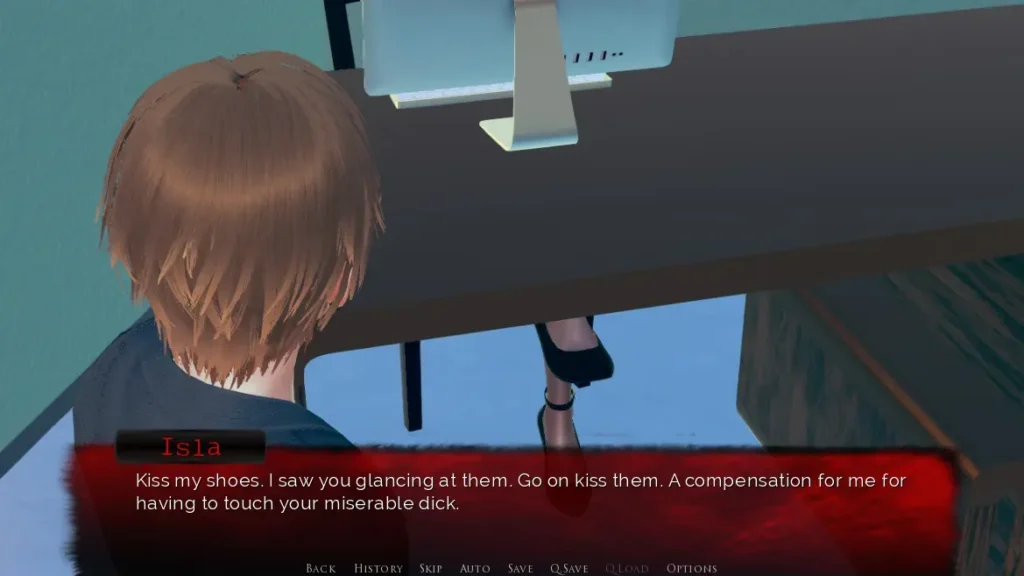
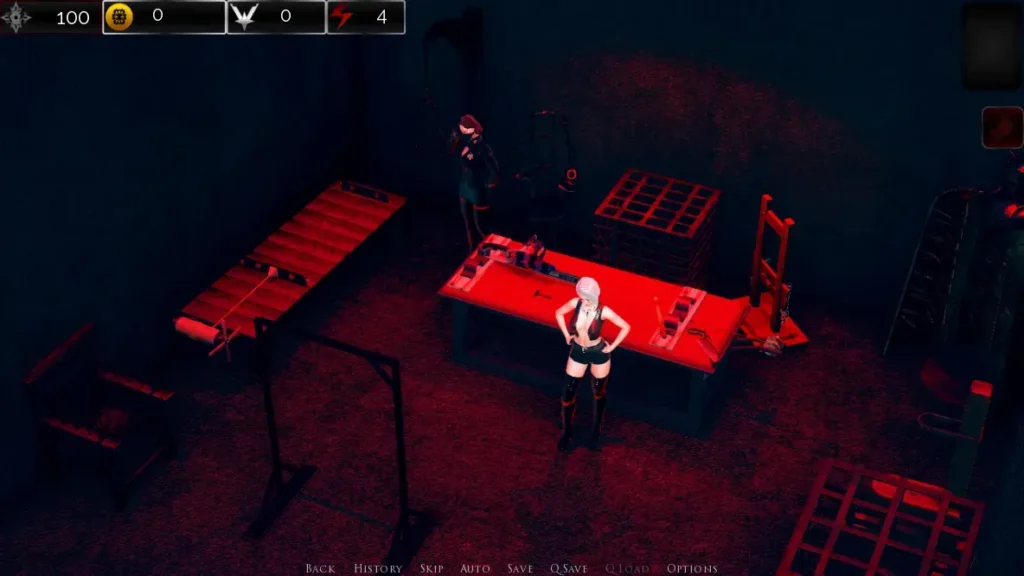
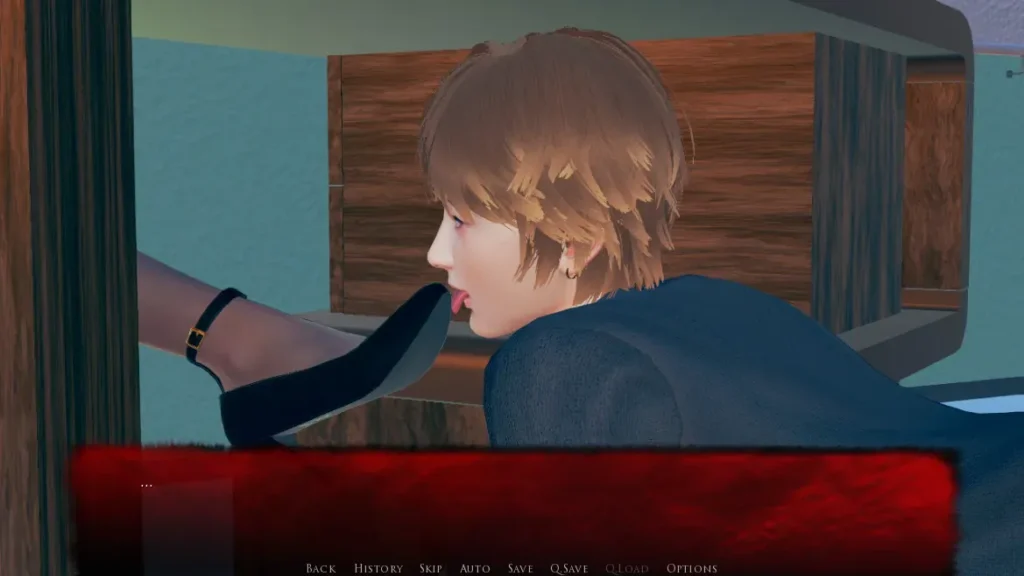
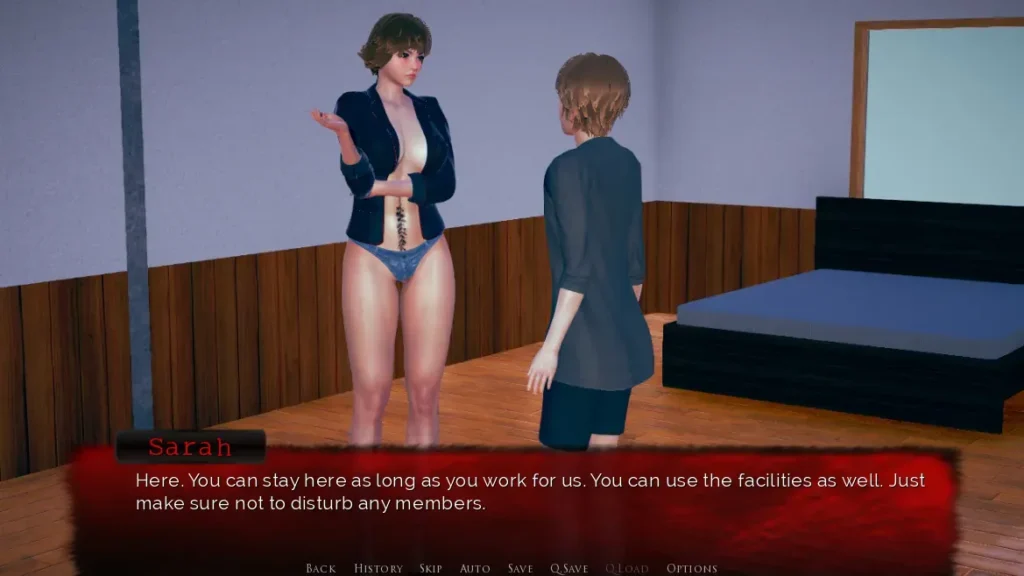
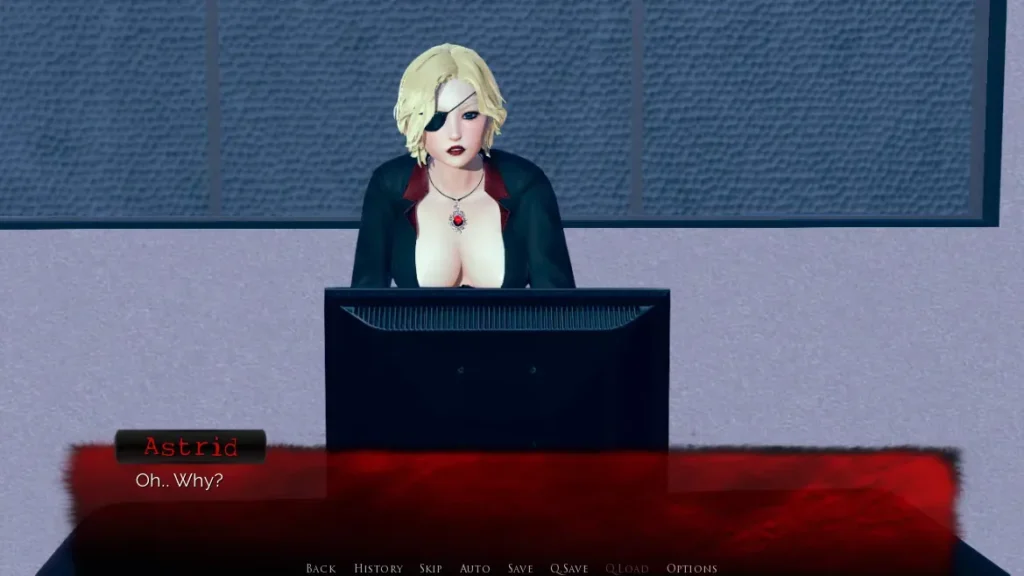
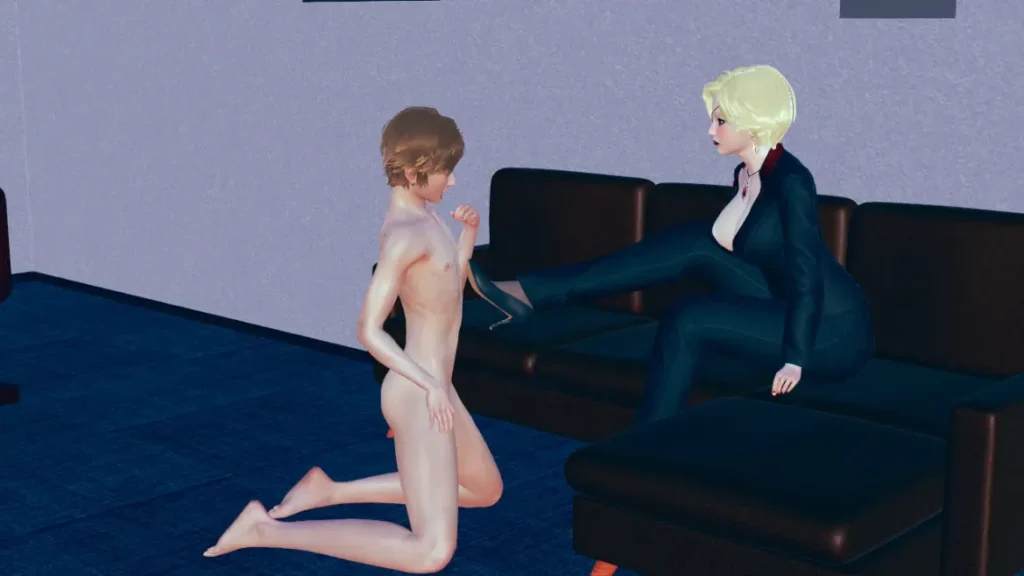


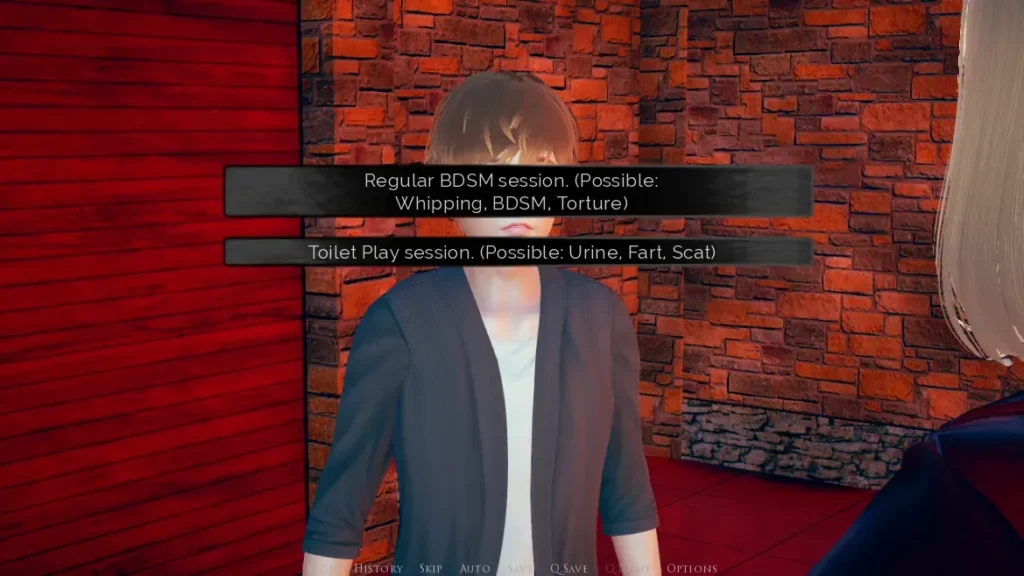
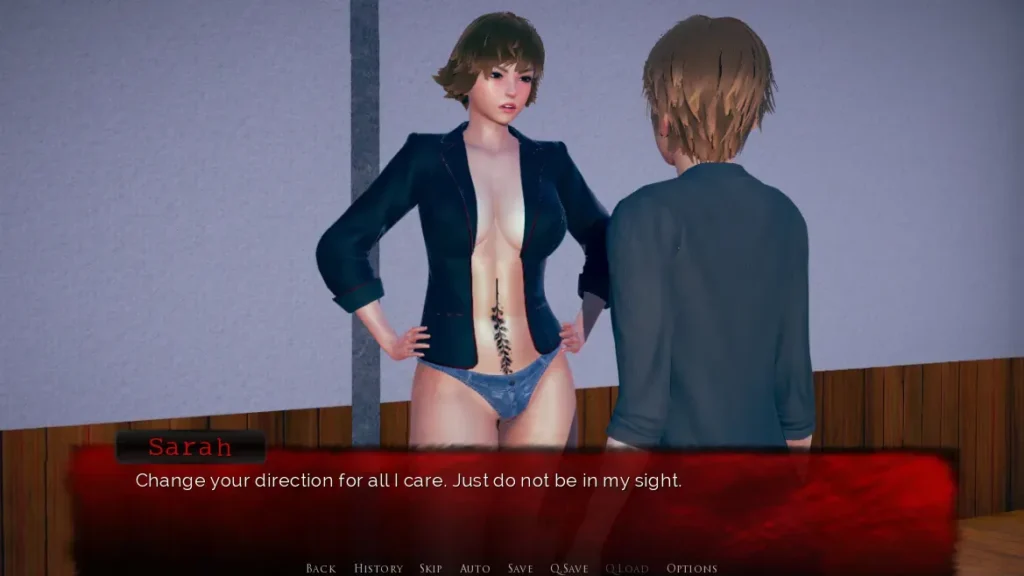
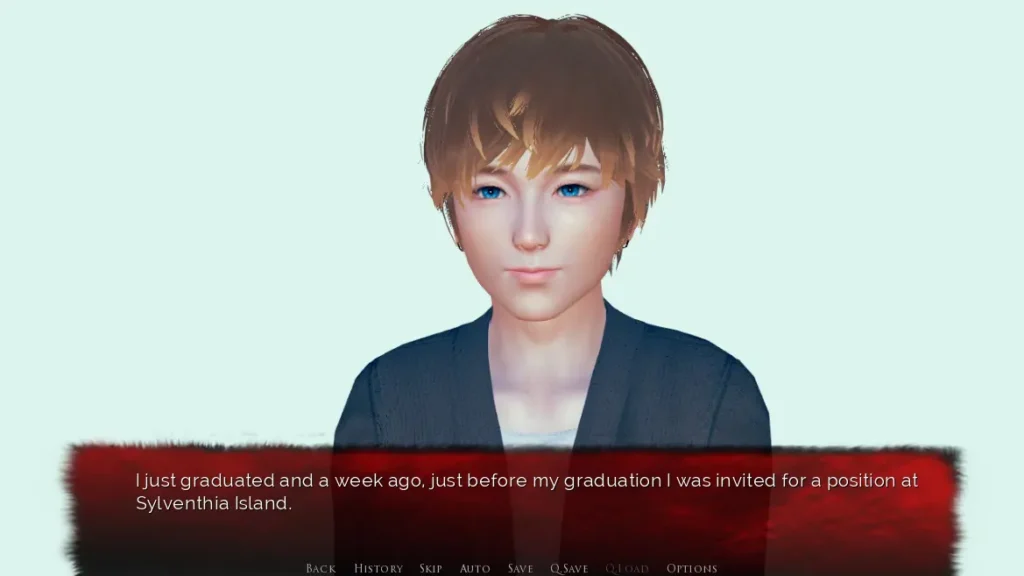

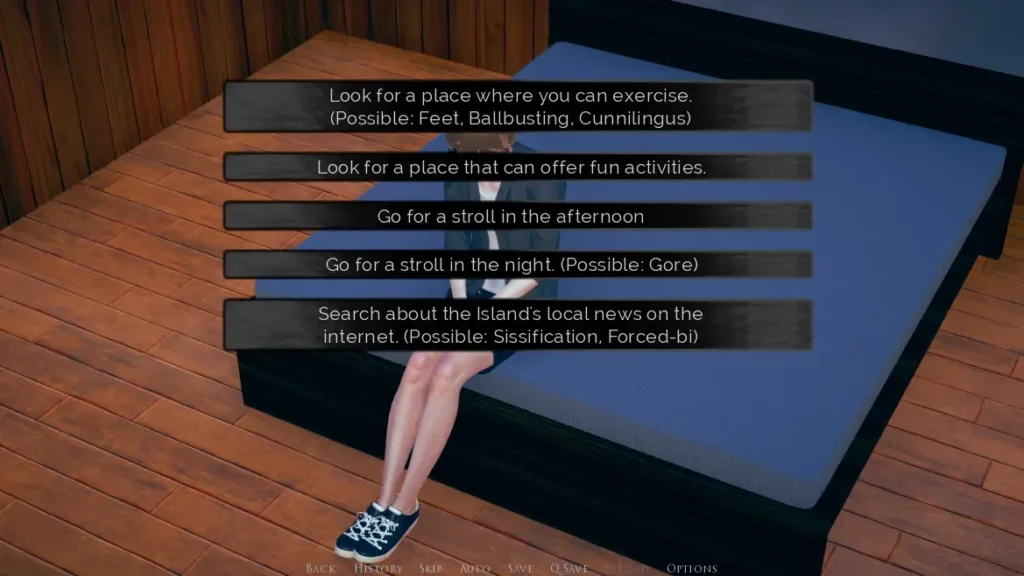
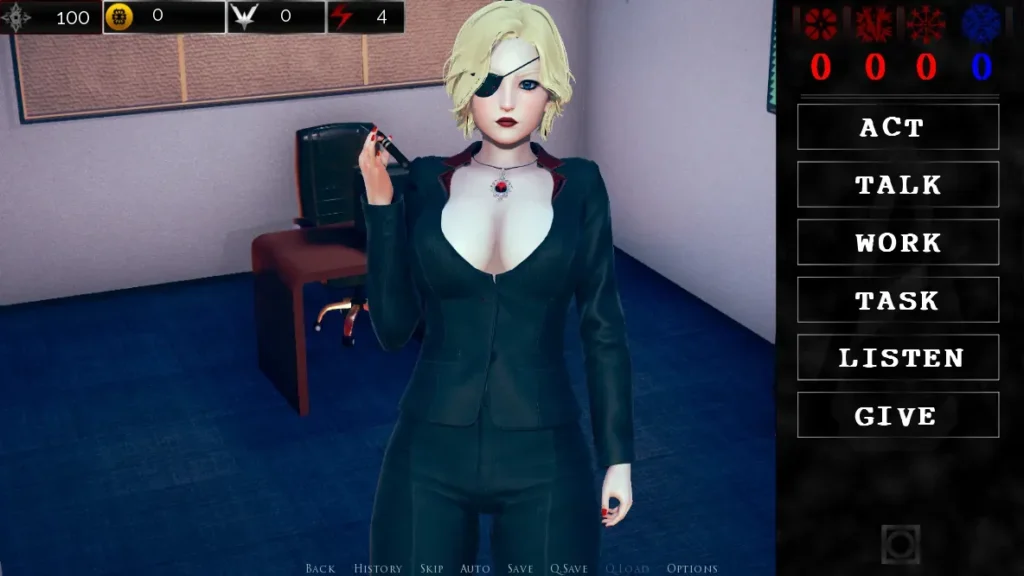

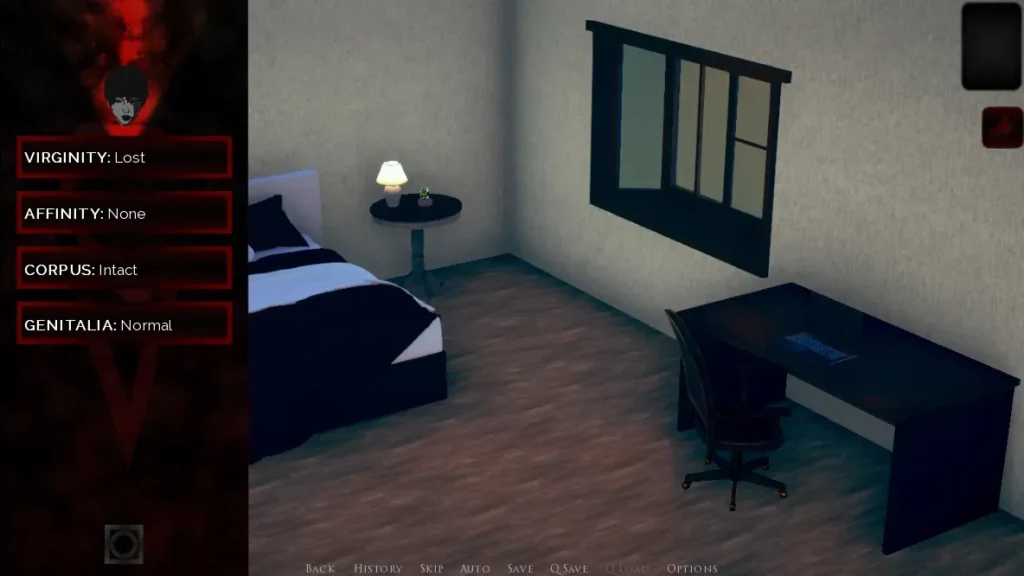

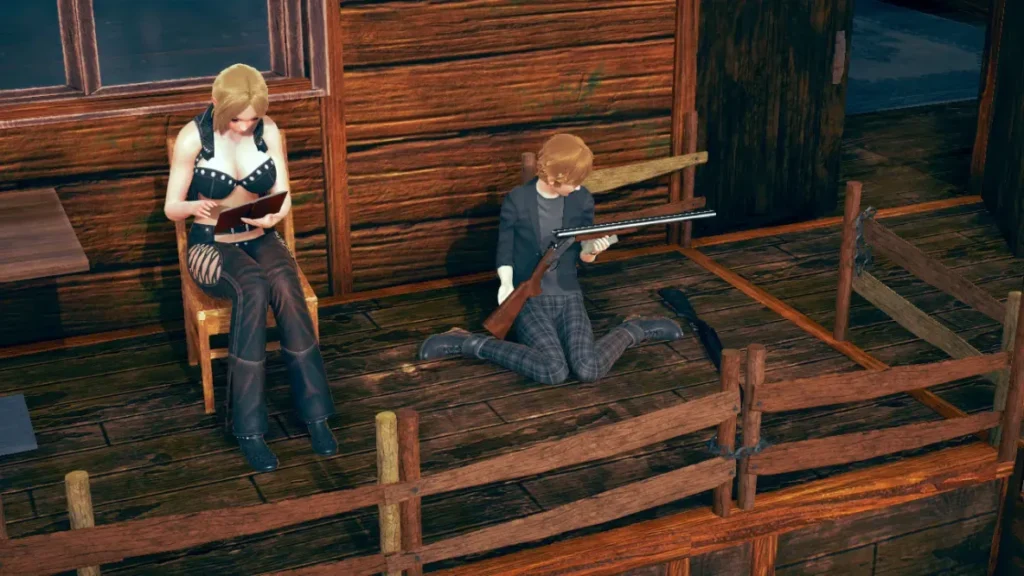
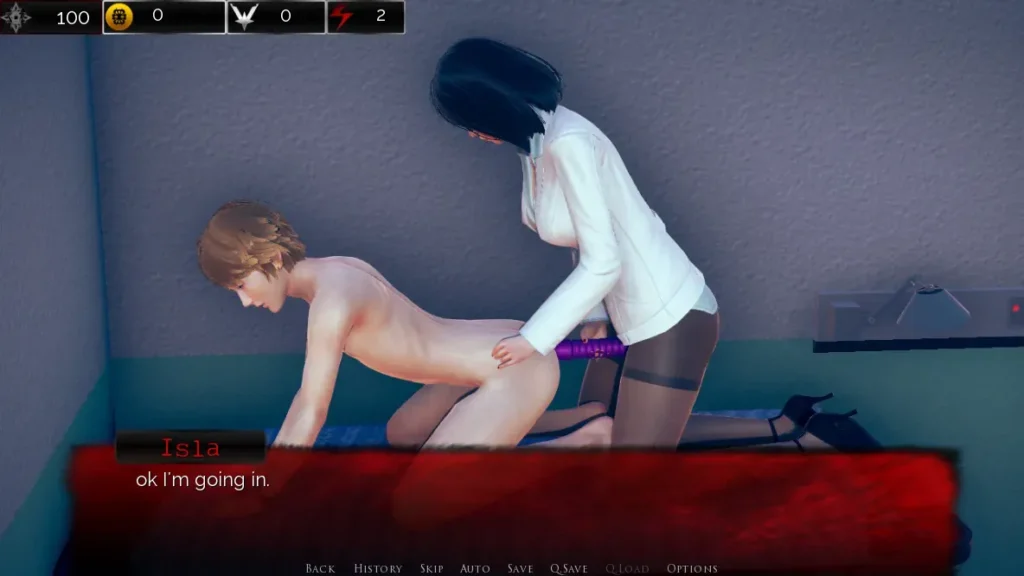
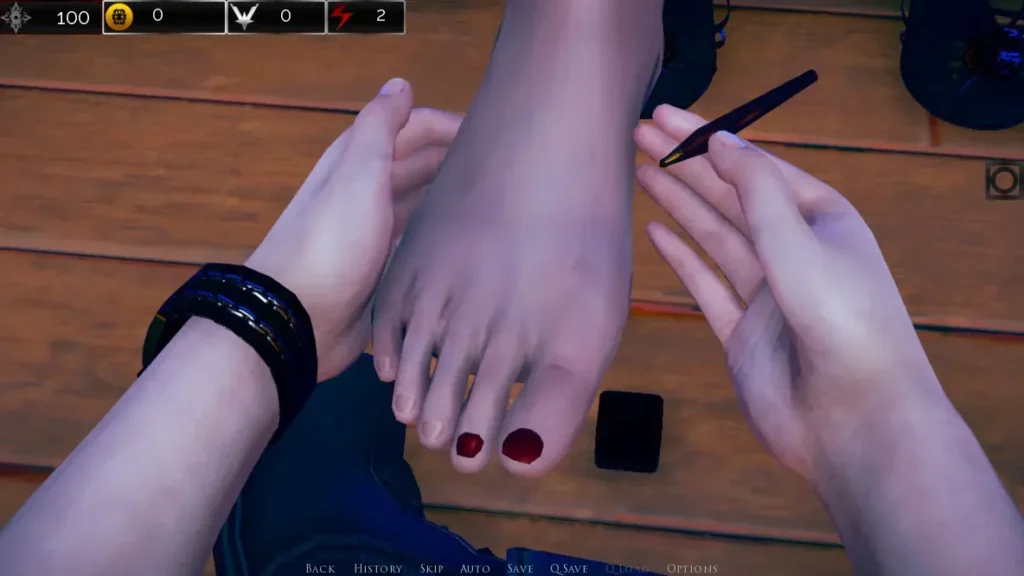
The Void of Deviance review
A personal, practical look at The Void of Deviance, its gameplay, themes, and appeal
The Void of Deviance has become one of those underground titles that people whisper about in forums and niche communities. If you have stumbled across the name and are wondering what this game actually offers beyond the initial shock factor, you are not alone. In this guide, I will walk you through how The Void of Deviance works, how it feels to play, and what kind of experience you can realistically expect. Drawing on my own playthrough and what other players are saying, we will explore its systems, story, and design so you can decide if this intense, adult-themed adventure deserves a place in your library.
What Is The Void of Deviance and How Does It Play?
So, you’ve heard the name and you’re curious. What is The Void of Deviance? Let’s strip away the mystery and talk plainly about this deeply atmospheric, adult-focused experience. It’s not your typical game, and that’s precisely its point. 🎭
At its heart, The Void of Deviance is a psychological, narrative-driven journey. It places you in a decaying, surreal metropolis that feels like a character in itself—all oppressive architecture, flickering neon, and whispered secrets. The overall tone isn’t one of gratuitous shock, but of a slow-burning, unsettling tension. It’s transgressive in its themes, exploring the darker corners of desire, power, identity, and corruption, weaving these adult concepts intrinsically into the world-building and character motivations. You won’t find a happy-go-lucky hero here; you’re navigating a space where moral lines are blurred, and every choice carries a tangible weight.
In terms of genre, it’s best described as a hybrid. Its foundation is a visual novel, with a heavy emphasis on branching narrative and character interactions. However, it layers on management sim and light RPG elements. You’re not just clicking through dialogue; you’re managing your character’s limited resources—like energy, influence, and currency—making strategic decisions about who to see, what path to pursue, and how to navigate the complex social and power structures of the city. Progression is gated behind both narrative choices and your ability to manage these systems effectively, unlocking new story routes and scenes based on your successes (or fascinating failures).
Core premise and setting of The Void of Deviance
The core premise of The Void of Deviance is one of infiltration and transformation. You play as a newcomer to a cloistered, dysfunctional district known as the Spire, a place that operates by its own hidden rules. Your goal isn’t clearly defined as “save the world.” Instead, it’s often about survival, understanding, gaining power, or perhaps finding a specific someone within the tangled web of its inhabitants. The setting is a masterclass in atmospheric dread, a place where beauty and decay exist side-by-side. You’ll deal with factions, enigmatic personalities, and a world that reacts to your growing (or diminishing) reputation.
This isn’t a fantasy realm with elves and orcs; it’s a grounded yet surreal urban nightmare. The “deviance” in the title refers less to specific acts and more to the fundamental departure from societal norms that the Spire represents. It’s a playground for psychological exploration, where the adult themes are less about titillation and more about examining the dynamics of control, vulnerability, and obsession. The game’s artistry sells this world completely, with a distinct visual style that makes every scene feel like a painting from a forbidden gallery.
Gameplay loop: what you actually do moment to moment
So, what does The Void of Deviance gameplay actually look like on a Tuesday evening? Let’s walk through the loop. Your session typically revolves around a “day” or cycle structure.
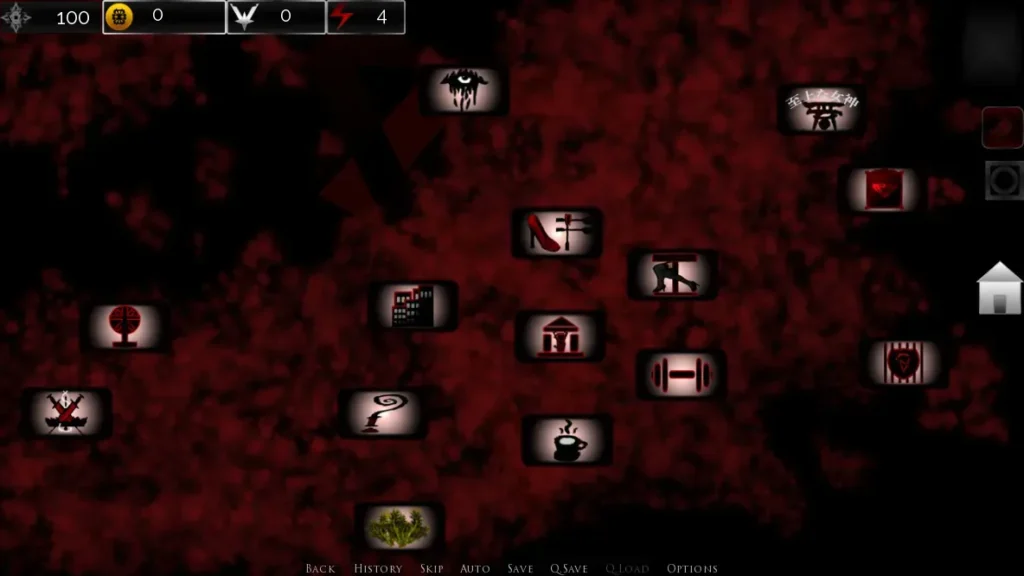
- Planning & Resource Check: You start at your personal space, a small haven in the chaos. Here, you’ll check your key resources: something akin to stamina, social capital, and money. A UI panel clearly shows these, and understanding their interplay is crucial. You have limited capacity each cycle, so you must choose your focus.
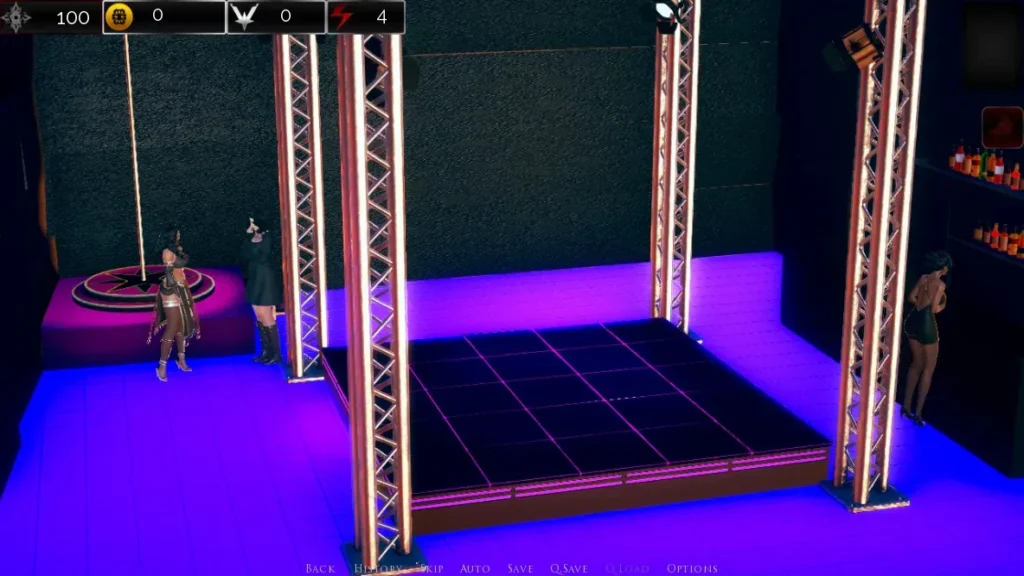
- World Navigation: You then access a map of the Spire’s districts. Each location—a nightclub, a private apartment, a shady back alley—hosts characters and potential events. Selecting a location consumes a resource (usually time or energy).
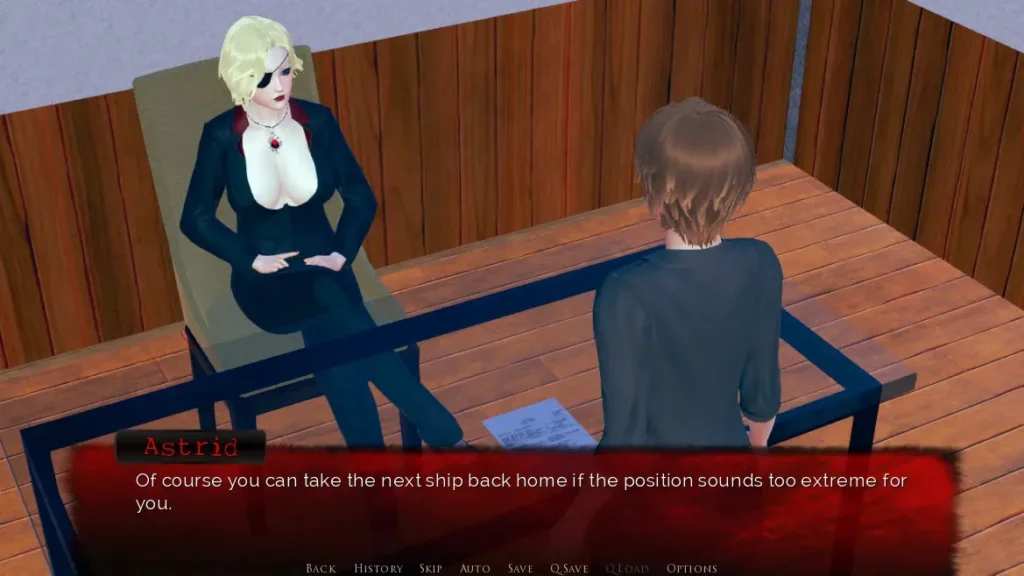
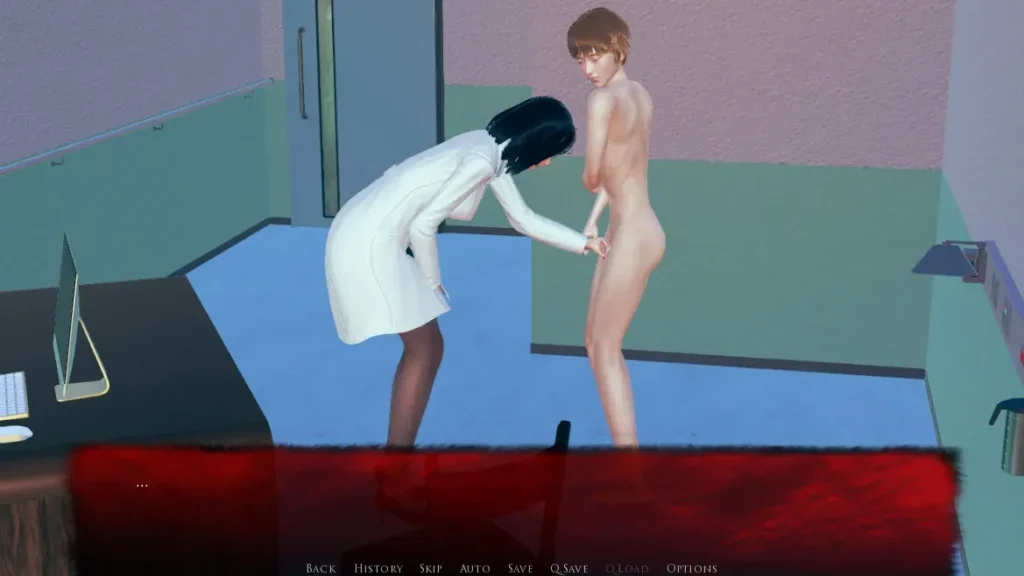
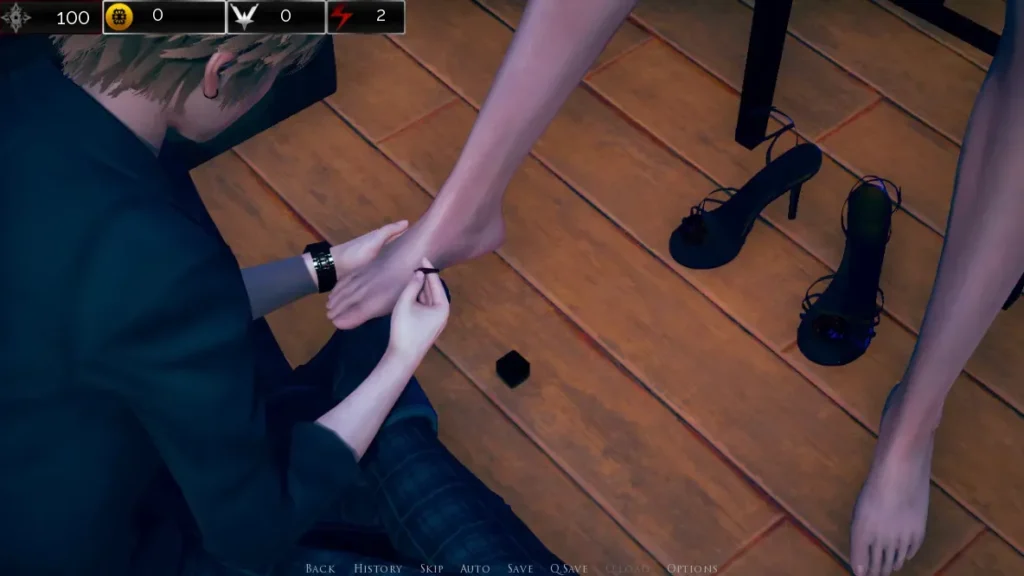
- Scene Interaction: This is the core. You enter a beautifully illustrated scene. Dialogue unfolds, and you’re presented with choices. These aren’t just “Good/Bad” options. They might reflect different attitudes (Assertive, Submissive, Observant, Mocking), desires, or tactical decisions. Your choices influence the relationship meters with characters, which are subtly indicated by shifting colors or symbols rather than obvious numbered bars.
- Skill Checks & Unlocks: Sometimes, choices are gated behind stats or previous decisions. Did you spend a prior cycle building your “Persuasion” trait? You might now have a new, more effective dialogue option. Succeeding in these checks can unlock intimate scenes, which are treated as narrative payoffs—culminations of built tension and developed relationships.
- Consequence and Progress: After a scene, you see the fallout. Resources change, relationships shift, and new locations or options might appear on your map. The game autosaves, locking in your decisions. The loop resets: you return to planning your next move, trying to piece together the stories you’re entangled in and steer them toward your goals.
The interface is generally clean, but it can feel deliberately opaque at first. Information is given sparingly, which fuels the atmosphere but can be confusing. Is that character’s mood indicator fading because they’re bored or secretly angry? The game won’t always spell it out, asking you to read the subtext of the art and writing.
Practical Tip: Don’t rush. The Void of Deviance is a game to be savored, not grinded. Read the text, absorb the atmosphere, and don’t be afraid to let a cycle pass with minimal action if it means understanding the landscape better.
Now, let’s tackle some quick, burning questions you might have before I dive into my personal experience.
-
What genre is The Void of Deviance?
It’s primarily a narrative-driven hybrid of a visual novel and a relationship/management simulation. -
Is it more story-focused or system-focused?
It’s a strong blend. The systems exist to serve the narrative. Your resource management directly enables or restricts your story paths, making every choice feel consequential to the plot. -
How long is the playtime for The Void of Deviance?
A single, focused playthrough can take 10-15 hours, but the highly branching narrative and multitude of character paths encourage multiple replays to see vastly different story outcomes. -
Is there a lot of reading?
Yes. This is a text-heavy experience. The prose is a key component of its mood and world-building.
My first hours with The Void of Deviance
I was drawn in by the art. Full stop. 🖼️ Screenshots promised a world with a jaw-dropping, melancholic beauty. The recommendations hinted at a story with real teeth, one that wasn’t afraid to be challenging. My curiosity was piqued: could a game with such a provocative title deliver genuine narrative depth?
My first hour was, frankly, a beautiful confusion. The game throws you into the deep end of its world with minimal hand-holding. I understood I had resources to manage, but not why I should care about visiting one location over another. The menus were sleek but cryptic. I felt a bit lost, which, in retrospect, is perfectly aligned with the experience of my character—a stranger in a strange land.
It took about two hours for the rhythm to click. I stopped trying to “win” and started trying to “understand.” I followed one character thread doggedly, learning how my choices altered their demeanor toward me. A specific early scenario cemented the tone for me: I was trying to gain the trust of a guarded club owner. The dialogue choices ranged from blunt questioning to subtle flattery to offering a favor. I chose to appeal to their sense of pride, which opened up a new path. However, it also consumed a rare resource I hadn’t realized was so precious, limiting my actions later. This moment—where narrative choice and mechanical consequence fused—was the “aha!” moment. The strength of The Void of Deviance is this atmospheric tension; you’re constantly making calculated risks.
But I must be honest about weaknesses. The onboarding is abrupt. The UI, while stylish, isn’t always clear about what specific traits do. Pacing can be slow, deliberately so, but it might test the patience of players looking for immediate action. This is a mood piece, and it demands you buy into its wavelength.
| System | How It Feels in Play |
|---|---|
| Resource Management | Creates constant, meaningful tension. You can’t do everything, forcing prioritization and role-playing. |
| Dialogue & Choice | Impactful and nuanced. Choices feel distinct, altering relationships and plot in significant, sometimes unexpected ways. |
| Relationship Progression | Subtle and rewarding. Changes are shown through altered character expressions, new dialogue options, and evolving scene contexts rather than crude meters. |
| Navigation & UI | Atmospheric but initially clunky. The learning curve is steep, but mastery feels rewarding as you learn to read the game’s visual language. |
So, is The Void of Deviance worth playing? Final thoughts and advice.
This is the essential question. My The Void of Deviance review conclusion is this: it is a remarkable, challenging experience, but it is emphatically not for everyone.
This game is for you if: You love slow-burn, psychological narratives. You enjoy games where choices have weight and systems exist to deepen the story. You appreciate stunning, evocative art and world-building. You’re looking for an adult game overview that highlights mature themes explored with purpose and narrative intent.
You will likely bounce off it if: You prefer fast-paced action or clear-cut objectives. You dislike reading-heavy games or managing limited resources. You want straightforward, lighthearted entertainment. The deliberate opacity and tense atmosphere will feel frustrating, not intriguing.
My strongest piece of practical advice is this: read the official content descriptions and use the game’s settings. The Void of Deviance game often includes robust toggles and content filters. I recommend starting with the default settings on your first play. This gives you the experience as the creators intended. Once you understand the systems and tone, you can tweak subsequent playthroughs to your preference. This approach allows for informed, responsible play.
Ultimately, is The Void of Deviance worth playing? If you approach it with the right expectations—as a dense, atmospheric, and mechanically engaging narrative experience—then yes, absolutely. It’s a game that lingers in your mind, not just for its content, but for the masterful way it uses interactivity to explore complex, dark, and human themes. It’s a journey into a beautifully grim void, and for the right traveler, it’s an unforgettable trip. 🔮
The Void of Deviance is not the kind of game you casually recommend to everyone, but if you are drawn to intense, boundary-pushing stories and are willing to sit with uncomfortable themes, it can be a strangely compelling experience. By now, you should have a clearer sense of its premise, how the gameplay actually feels, and what kind of commitment it asks from you as a player. If the mix of heavy atmosphere, player choice, and adult subject matter sounds like your kind of challenge, approach it thoughtfully, read all available content information, and give yourself time to settle into its rhythm. And if it does not sound like a fit, that is just as valuable to know before you dive into the void.